Use code SUMMERPRACTICE for a 25% discount on all On Demand Courses through August 31.

Daily Meditation Recordings with Christopher Titmuss- Week of February 12, 2024

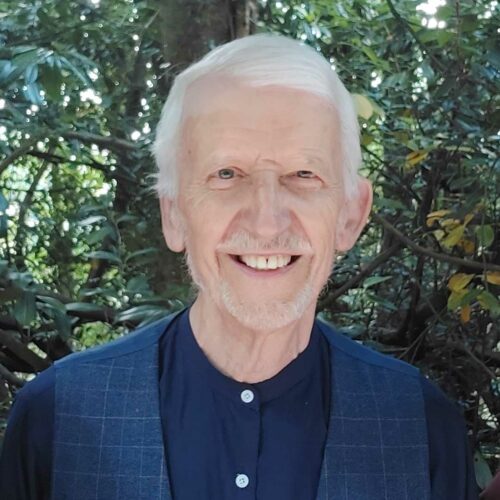
Christopher Titmuss

We’re fortunate that Christopher Titmuss has generously offered to lead our daily meditation sessions for Europe and the UK. To find out more about Christopher, and to view his other contributions to Sangha Live, click here.


This week’s topic is “Fear is Not What You Think It Is”


Why can’t we always overcome fear by being bold? The mind sees fear as feelings, emotions and sensations. Such experiences do not confirm fear.
Experts tell us we cannot live without fear as we need fear to protect us. Dharma teachings remind us we cannot truly live with fear.


 

Fear and Memory

February 12, 2024

Unfortunately Christopher was unable to teach a live session on this day, but he has kindly recorded us an audio teaching instead which is posted here.

(In the introduction Christopher refers to ‘Freedom is not what you think’; his intention was to say ‘Fear is not what you think’ 🙂.)

Fear means contraction, not challenging body sensations

February 13, 2024

Social fear. Fear of disapproval. Fear of speaking up.

February 14, 2024

Recognising of the expansive. Dissolving the contracted.

February 15, 2024

Knowing the emptiness of fear.

February 16, 2024

Christopher has transcribed the questions that were left unanswered along this week in his blog page. You can read them here.


Discover more from the Dharma Library

  • Martine Batchelor

    What is this?

    In this session Martine leads a guided meditation on the question “What is this?”, and then explores this questioning practice as a means to encounter each moment with awareness and as a means of developing a stable and open heart.

    Read More

  • Nirmala Werner

    Daily Meditation Recordings, with Nirmala Werner – Week of Apr 29 – 3 May, 2024

    This week’s topic is “Mindfulness of the nervous system: transforming fear, struggle and separation into love and connection”. We humans are social animals and need each other to feel safe and secure, to grow and to nourish ourselves. How can we live with a sense of connection, loving-kindness, and inner family? Our meditation practice allows us to take a break between stimulus and response. When we come into contact with our loved ones, we all too easily lose the inner freedom we think we have achieved and avoid our difficulties, also called spiritual bypassing. This week we explore what supports us to react flexibly to the internal and external world, to relax and to allow closeness and real intimacy. We will look into the first foundation of mindfulness, mindfulness of the body, including harmonizing the body formations and nervous system to meet our difficulties with gentleness.

    Read More

  • Shinzen Young

    How to structure your practice in life

    Shinzen guides you through his “See, Hear, Feel” focus technique. This technique is designed to be applicable in any life situation — driving a car, having a conversation, working out, puttering around the house…. After that he gives a dharma talk describing a systematic procedure for “monasticizing” daily life. The goal of this program is…

    Read More

  • photo of Martin Aylward smiling

    The practice of pleasure and delight (or the spiritual art of having fun).

    Dharma teachings importantly emphasise suffering, compassion, renunciation, desire, non-reactivity, peacefulness. All these are potent themes, yet ones which can make our practice feel overly heavy, unnecessarily serious, maybe even uptight! Dharma practice equally points us towards a playful nature, light-heartedness and ease, delight and the capacity to really enjoy life. Especially when we can get…

    Read More

  • Daily Meditation Recordings with Christopher Titmuss- Week of September 9, 2024

    This week’s topic is “The Changeless. Knock, knock on Heaven’s Door”. Conventional human experience reveals the subject and the object. The object includes, mind/body/things/world/time/space and here and now. All of these are subject to change. The subject includes consciousness, perception, awareness, attention, mindfulness, I and my. All subject to change. We might conclude true reality reveals change. Can realisation of the changeless make easy the navigation of change?

    Read More