Use code SUMMERPRACTICE for a 25% discount on all On Demand Courses through August 31.

Daily Meditation Recordings, with James Rafael – Week of January 8, 2024

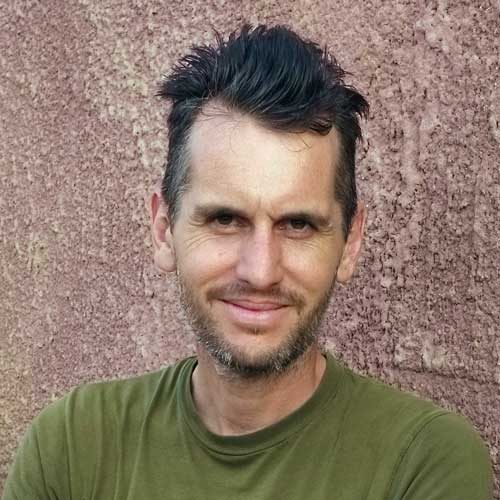
James Rafael

James Rafael

We’re fortunate that James Rafael has generously offered to lead our daily meditation sessions for Europe and the UK. To find out more about James, and to view his other contributions to Sangha Live, click here. Recordings will be posted by the end of the day of the live session.


This week’s topic is “New Year Habits and Hindrances


In this week’s sessions we’ll explore how engaging with the Buddha’s teachings on the ‘5 Hindrances’ can help establish or deepen the habit of a daily meditation practice.


If you’re new to meditation, this framework offers ways to engage with common challenges we may face; “I can’t sit still’, “My mind is just too busy”, “I’m just not sure if this is working”.


If you have a consistent, established practice, revisiting the hindrances can be a gateway to access deeper levels of concentration (samatha), and the subsequent, often profound, insight (vipassana) which follows.
 

The 5 hindrances (obstacles) and the Buddha’s Pond

January 8, 2024

Hindrances in the suttas (ancient texts); tips for breaking / forming habits

January 9, 2024

Challenges and compassion; tips for working with sleepiness or restlessness

January 10, 2024

Doubt, shame, and the story of Mara

January 11, 2024

Deepening our practice, the forest pool, and habits

January 12, 2024

Discover more from the Dharma Library

  • Chris Willard

    How We Grow Through What We Go Through

    How can we, and our communities, not just survive but thrive during challenging, post-traumatic times? Spirituality, positive psychology, anthropology, neuroscience, mindfulness and more have boosted human resilience in the face of adversity for generations. Through this session will explore meditation practices that can help us to transform challenges into creative opportunities for growth.

    Read More

  • Who Am I?

    “Who Am I?” is a fundamental question. You have to live the question, day in and day out. You cannot think through an answer. The self (‘I’ and ‘my’) lands on objects, voluntarily or involuntarily. Primary objects of interest include forms, feelings, perceptions, formations of mind/speech/body and consciousness (mindfulness, awareness, concentration and meditation). The self…

    Read More

  • Christelle Bonneau

    The beauty of the spontaneous movement of life

    Nowadays, for most of us, life is so full, so fast and dispersed in so many directions: jobs, partners, children, family, house, everyday duties, mobile phone, internet, responsibility, stress, tiredness, worries … and when we find a small space, we fill it with hobbies, friends, sports, TV and every other little thing we usually don’t…

    Read More

  • Nikki-Mirghafori

    Equanimity: Crown Jewel of Buddhist Practice

    What is equanimity, and how does it differ from indifference? What different forms and subtleties of equanimity are presented in various Buddhist teachings, often occupying the prestigious last spot on the lists? How does equanimity relate to love and compassion? For what reasons should one pursue the development of equanimity for one’s own benefit, the…

    Read More

  • Zohar Lavie

    Pathways to Happiness

    Being human includes feeling great and feeling pain; given the changing nature of experience what kind of happiness is possible for us? Can we cultivate freedom, happiness and contentment that are less reliant on things ‘going our way’? The attitudes of goodwill, care and friendliness are some of our greatest allies in practice, and also…

    Read More

  • What does Liberation Mean?

    Buddha-Dharma teachings offer unparalleled insight into Truth, both ultimate and relative. Yet many practitioners fall into the belief that regular meditation alone will lead to breakthrough experiences and liberation-reinforced by the image of Buddha sitting under the Bodhi Tree.True liberation requires more than mindfulness practice. It transforms our entire conditioning: our ethics, how we view…

    Read More