From pure emptiness the wondrous appears…
In the session we will explore different somatic approaches to cultivate a sense of calm and ease. An invitation into insight meditation and letting go into a natural state of flow.
From pure emptiness the wondrous appears…
In the session we will explore different somatic approaches to cultivate a sense of calm and ease. An invitation into insight meditation and letting go into a natural state of flow.

This week, we’re delighted to have Miles Kessler guiding our Daily Meditation sessions. May they enrich your practice.
This week’s theme is: Meditation And The Dark Night Of The Soul
The “Dark Night Of The Soul” is nothing less than an ego death, and rebirth process that everyone goes through from time to time in life. As it happens, the “Dark Night Of The Soul” is also beautifully “coded” into insight meditation practices through a series of advanced stages know as the “Dukkha Nanas”. The “Dark Night” stages are awaiting everyone who is walking the path of meditative insight.
In this week of Daily Meditations with Sangha Live, you are invited to join in a teaching of “Meditation And The Dark Night Of The Soul.” Throughout this week, you will explore how the “Dark Night Of The Soul” process unfolds in the stages of insight meditation. And more importantly, how the insights of these stages inform us in our lives.
Our Dharma Library thrives through collective generosity. Your donation helps sustain this offering for our entire community.

We’re fortunate that Martin Aylward has generously offered to lead our daily meditation sessions for Europe and the UK this week. To find out more about Martin, and view his other recordings on the platform, click here.

We’re fortunate that Kaira Jewel Lingo has generously offered to lead our daily meditation sessions for Europe and the UK this week. Links mentioned during these sessions can be found at the bottom of this page. To find out more about Kaira Jewel, and view her other recordings on the platform, click here. Monday, May…
Recorded :
Martin looks at current events with an eye on the suffering of refugees, the climate emergency and growing Islamophobia, exploring how we can both empathize with and respond to human suffering, while also cultivating joy, gratitude and ease of heart.

Recorded :
It’s hard to find the words that do justice to the enormity of the heartbreak we are in. As we wake up to our new reality, we feel grief, fear, outrage, and a daily kaleidoscope of reactions as we witness the dying of our beautiful planet. Our Dharma practice is for this, to meet reality….

Recorded :
In this class we explore the practice of generosity, both in giving and receiving. We investigate how we can give and receive from our heart, with wisdom and discernment. We learn how to allow the three kinds of gifts–material resources, the gift of the Dharma, and the gift of non-fear–to flow abundantly through all aspects…
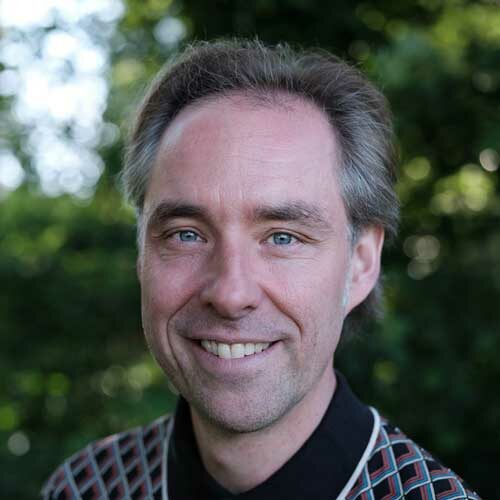
Recorded :
The Buddha discovered that craving is the cause by which stress comes into play. Letting go of this constant pursuing of our desires is possible. Befriending this human and natural craving needs the power of kind awareness and an ongoing reflection: What feeds my craving? And: What feeds letting go?
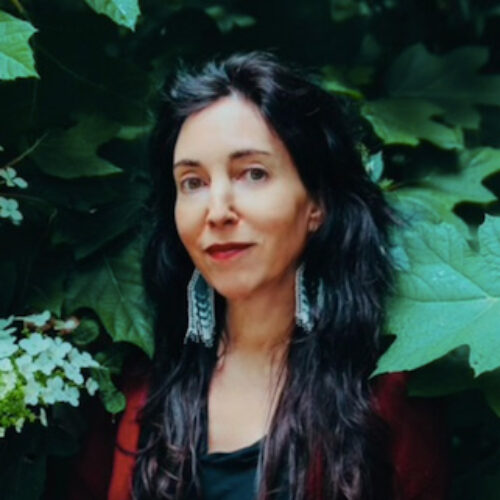
Recorded :
It is an extraordinary relief to encounter the perfection of ordinary self in a world that is screaming loudly, “There is something better out there! There is something you might be missing! There are standards you need to meet! There is something more you need to prove!” As we remember our inherent goodness, we cease…
Discussion