Use code SUMMERPRACTICE for a 25% discount on all On Demand Courses through August 31.

Daily Meditation Recordings, with James Rafael – Week of April 24, 2023

James Rafael

James Rafael

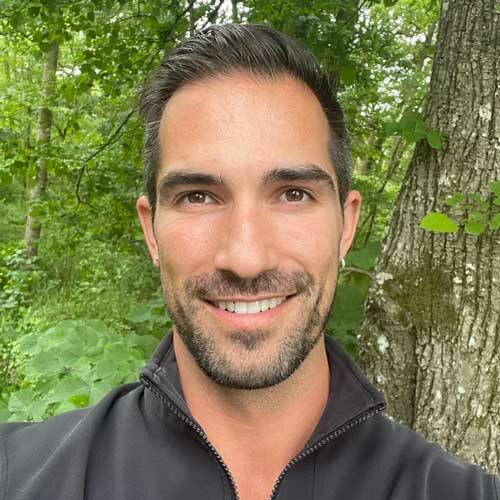
We’re fortunate that James Rafael has generously offered to lead our daily meditation sessions for Europe and the UK. To find out more about James, and to view his other contributions to Sangha Live, click here. Recordings will be posted by the end of the day of the live session.


This week’s topic is “Fluidity and Flux: Gateways to a Kinder, More Inclusive World


The Buddha’s teachings on impermanence and compassion offer us gateways to cultivate a kinder, more inclusive world for all. Impermanence connects us to a sense of fluidity and flux, where we can see through the illusion of solid binaries and fixed identities. This can inspire us toward action that includes, appreciates and holds others with kindness.

 

Flow; nature’s fluidity and impermanence

April 24, 2023

Dukha and the flow between ease and discomfort (sukha / dukha)

April 25, 2023

Fluid identities, the flow between Self and Not Self (anatta)

April 26, 2023

Flow as the gateway to radical acceptance, “this too”, and kindness

April 27, 2023

Rivers of experience, all flows towards kindness

April 28, 2023

Discover more from the Dharma Library

  • photo of Martin Aylward smiling

    An Open Heart in Hell

    After a summer of extreme heat, drought and fire, we may well enter the autumn wondering how to manage the grief at our fragile and collapsing ecology. Taking the title An Open Heart in Hell from Nick Mulvey’s recent song “Prayer of my Own“, we’ll use this session to honour the pains of the heart without getting…

    Read More

  • Stephen Fulder

    Welcoming the Beyond

    What is beyond the ordinary mind? What is beyond thought? How can we access a consciousness that is open, free and limitless? How can we dive into the ocean instead of being tossed by the waves? The dharma is in its essence a spiritual journey and the character of the path is to meet, engage…

    Read More

  • Anna-Brown Griswold

    Cultivating True Equanimity

    Equanimity is often misunderstood as disengagement or neutrality, yet true equanimity is a deeply alive, responsive and steady spaciousness that allows us to stay present in the midst of complexity and pain. In this session, we’ll explore the traditional Buddhist teachings on the “near” and “far” enemies of equanimity-how the near enemies of indifference and…

    Read More

  • Deborah Eden Tull - Senior Dharma Teacher

    The Sacred No: Setting Conscious Boundaries Alongside Boundlessness

    To truly embody our Yes to life, we must equally honor our No. Liberating our minds and hearts and taking responsibility for our contribution to collective consciousness requires setting loving boundaries around authentic being. Sometimes, through spiritual bypass; concepts/ideas about mindfulness; or lack of distinction between being nice and being kind, we devalue the sacred…

    Read More

  • Bart van Melik

    What Feeds your Craving?

    The Buddha discovered that craving is the cause by which stress comes into play. Letting go of this constant pursuing of our desires is possible. Befriending this human and natural craving needs the power of kind awareness and an ongoing reflection: What feeds my craving? And: What feeds letting go?

    Read More

  • photo of Martin Aylward smiling

    On Teachings and Teachers

    People often ask about the importance (or not) of working closely with a teacher. One can benefit greatly from general meditation instruction, but personalised guidance from someone who knows you and your practice well can be deeply helpful. In this session, Martin speaks about approaching teachers for guidance and about the dynamics of the teacher-student…

    Read More

  • The Practice of Blamelessness

    We are deeply conditioned to blame; it’s a survival strategy. Though it can feel necessary, maybe even fruitful to part of us, blaming arises out of suffering, and leads to more suffering. The process of blame is not required but we don’t always know how to put it down. How do we let it go?

    Read More