Use code SUMMERPRACTICE for a 25% discount on all On Demand Courses through August 31.

Daily Meditation Recordings, with Nathan Glyde – Week of March 8, 2021

Nathan Glyde

Nathan Glyde

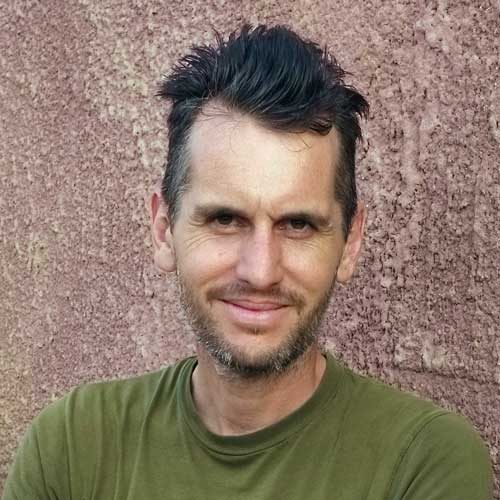
We’re fortunate that Nathan Glyde has generously offered to lead our daily meditation sessions for Europe and the UK. To find out more about Nathan, and to view his other contributions to Sangha Live, click here. Recordings are posted 24 – 36 hours after the live session runs.


This week’s topic is The Freedom of an Unassuming Mind.


The Buddha used the image of a tangled and knotted thread to represent the complex roots of human suffering and distress. It takes sensitivity, persistence, and care to disentangle the tangle of ‘dukkha’. A tricky part of this is that our assumptions about the world radically shape the way the world appears, while remaining quite hidden to us. Fortunately, wisdom teachings and practices bring assumptions into view and support the untying of these unseen knots, opening us into a wide and free existence.

Untangled Assumptions

March 8, 2021

Unaltered by Preference

March 9, 2021

Unchanged with Inconstancy

March 10, 2021

Unidentified with Personality

March 11, 2021

An Intended Consequence

March 12, 2021

Discover more from the Dharma Library

  • Zohar Lavie

    Daily Meditation Recordings, with Zohar Lavie – Week of 12 January, 2026

    This week’s theme is: In Service of a Boundless Heart:

    An exploration of the rich breadth of the teachings and their capacity to transform our experience into something beautiful and liberating. As we include more aspects of our lives in our practice and emphasise interconnection, ethics, compassion and wisdom, a precious process unfolds; a process of unbinding the heart and expanding it to be as wide as the world.

    Our Dharma Library thrives through collective generosity. Your donation helps sustain this offering for our entire community.

    Read More

  • Dave Smith

    The Gratification, The Danger and The Escape

    The triad of gratification, danger, and escape is one of the Buddha’s most concise and simple teachings for investigating everyday lived experience. This formula can be applied to every single aspect of our experience. Many Buddhist scholars point out that this teaching contains the earliest roots of what we have come to know as the…

    Read More

  • James Baraz

    Groundlessness: Letting Go Into the Unknown

    Pema Chödrön writes, “It’s not impermanence per se, or knowing we’re going to die, that is the cause of our suffering. Rather, it’s our resistance to the fundamental uncertainty of our situation.” The truth of impermanence means that ultimately there is nothing we can rely on for lasting happiness. We will investigate the underlying feeling…

    Read More

  • photo of Martin Aylward smiling

    Daily Meditation Recordings, with Martin Aylward – Week of June 15

    We’re fortunate that Martin Aylward has generously offered to lead our daily meditation sessions for Europe and the UK this week. To find out more about Martin, and view his other recordings on the platform, click here. Due to temporary circumstances there may be slight delays in uploading this week’s recordings. Thank you for your…

    Read More

  • Nikki-Mirghafori

    Equanimity: Crown Jewel of Buddhist Practice

    What is equanimity, and how does it differ from indifference? What different forms and subtleties of equanimity are presented in various Buddhist teachings, often occupying the prestigious last spot on the lists? How does equanimity relate to love and compassion? For what reasons should one pursue the development of equanimity for one’s own benefit, the…

    Read More

  • photo of Martin Aylward smiling

    Transforming the poisons.

    Buddha points out the three main ways we get pulled into activity and self-contraction – Greed, Hatred and Delusion – which Martin often translates as Desire, Defense and Distraction. This class explores creative ways of meeting these forces in everyday life, and explores powerful reflections for each of the three.

    Read More