Use code SUMMERPRACTICE for a 25% discount on all On Demand Courses through August 31.

Daily Meditation Recordings, with Ulla Koenig – Week of January 15, 2024

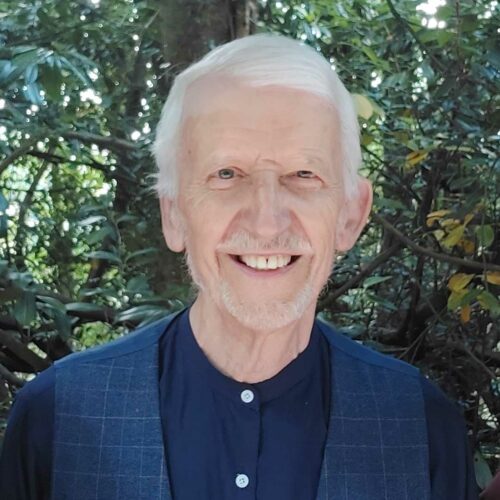
Ulla Koenig

We’re fortunate that Ulla Koenig has generously offered to lead our daily meditation sessions for Europe and the UK. To find out more about Ulla, and to view her other contributions to Sangha Live, click here. Recordings will be posted by the end of the day of the live session.


This week’s theme is “Tending to Fire – An Exploration of the Third Noble Truth“


The third of the four noble truths, which the Buddha offered as a framework, invites us to reflect on ways to tend to the inner fires or urges, which we all experience. ‘Nirodha’ is a concept which invites us to explore ways to handle that fire: to contain it, to create safe space around it and not to fuel it further, so that it eventually expires. This week, we explore concepts like ‘freedom of/from/to’ as well as letting go and letting be.


Aware of the Fire

January 15, 2024

Taking Refuge in Awareness

January 16, 2024

Needs, Wishes and Desires

January 17, 2024

Ulla’s translation of the 3rd noble truth: “There is a noble truth concerning the cessation of suffering. It is the complete fading away and cessation of this craving; its abandonment and relinquishment; getting free from and being independent of it.”

The above quote is taken from here: https://suttacentral.net/

Freedom to Respond

January 18, 2024

The Myth of Letting Go

January 19, 2024

Ulla talked about ways to limit clinging and craving and brought seven ways the Buddha mentioned in MN 2:

  • Pay attention to what you pay attention to – what might I pay attention to, which is more likely to create craving
  • Protecting the sense doors
  • Reflect what we really need
  • Practice resilience with unpleasant experience
  • Avoid experience which might unbalance the heart-mind
  • Willpower: Consciously decide what you do not want to engage with
  • Develop supportive qualities which nourish and stabilize the heart-mind

(From MN 2 – https://suttacentral.net/mn2/en/sujato?lang=en&layout=plain&reference=none&notes=asterisk&highlight=false&script=latin)


Discover more from the Dharma Library

  • Yahel Avigur

    The Necessity of Trust

    The qualities of trust, faith, and confidence are essential for mental health, profound spiritual explorations and the depth of relationships. To serve well, trust needs cultivating in conjunction with qualities of discerning wisdom and conscious intention. This session explores how this can be encouraged in both meditation and in our heart’s countless daily actions. 

    Read More

  • Brian Dean Williams

    Running the Middle Way

    What do sitting on the meditation cushion and running have in common? How might this form of movement be included in our mindfulness practice? Brian Dean Williams, both an insight meditation teacher and an avid trail runner, explored this with us at our weekly Sunday session.

    Read More

  • Three kinds of liberation.

    Freedom from stress. Freedom to Be. Freedom to Act. Join us as we explore with Christopher how these three freedoms give support to each other.

    Read More

  • Shaila Catherine

    Protecting the Mind

    The encounter with sensory experiences can lead to insight and calm, or reactivity and suffering. How do you guard your mind in the midst of a daily barrage of sensory input? How do you protect your mind so that tranquility and wisdom will be well established? The Buddha encouraged restraint of the senses, but this…

    Read More

  • Daily Meditation Recordings, with Ulla Koenig – Week of September 18, 2023

    This week’s theme is “Understanding Suffering”. Dukkha, often translated as suffering, is a central concept in the Buddha’s teachings. This has led some to view Buddhism as adopting a negative outlook on life. But is this true? Why did the Buddha emphasise suffering (dukkha) and what does he mean by this concept? This week of practice we will take an in-depth look into the first noble truth around dukkha. This exploration can help us cultivate compassion, as well as extending it to the larger community. It can free us from feelings of shame and a sense of failure, and bring a fresh perspective on our practice.

    Read More