Use code SUMMERPRACTICE for a 25% discount on all On Demand Courses through August 31.

Daily Meditation Recordings, with Ulla Koenig – Week of Sept 12, 2022

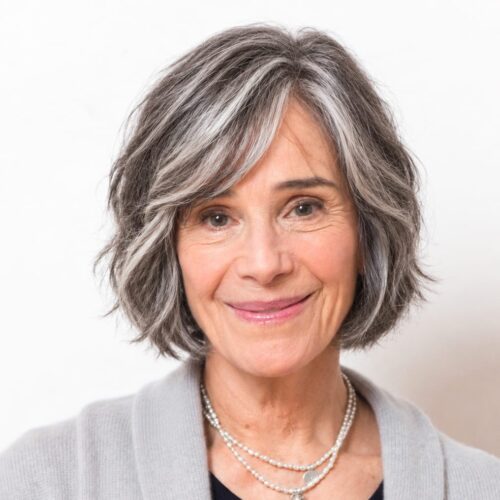
Ulla Koenig

We’re fortunate that Ulla Koenig has generously offered to lead our daily meditation sessions for Europe and the UK. To find out more about Ulla, and to view her other contributions to Sangha Live, click here. Recordings will be posted by the end of the day of the live session.


This week’s topic is (Be)Come As You Are.


Our driven-ness, our ruminating thoughts, and our feelings of shame, guilt, and anxiety never allow us to simply ‘be’. They evolve around a sense of identity , a process the Buddha called selfing (bhava), a form of suffering (dukkha). We are endlessly trapped in a narrative of who we think we ought to be, were in the past and should be in the future.

We will dedicate our shared time together to build an awareness of these processes and find alternative ways to relate to the many experiences of life.

Who are you? – Exploring self-reference

September 12, 2022

Being me hurts - Suffering and selfing

September 13, 2022

Need a hug? - Embracing the sense of self

September 14, 2022

To become or to be? - From selfing to being

September 15, 2022

To become or to be? - From selfing to being beyond roles; the bliss of being nobody

September 16, 2022

Discover more from the Dharma Library

  • Scott Tusa

    Living From a Sense of Call and Response

    Deep listening goes beyond merely using our ears; it encompasses engaging our eyes, hearts, and bodies as well. As practitioners of meditation, we can also learn to listen with mindful awareness. In this session, we will explore how call and response, a musical concept, also applies to meditation and our daily interactions. Join us, and…

    Read More

  • What does Liberation Mean?

    Buddha-Dharma teachings offer unparalleled insight into Truth, both ultimate and relative. Yet many practitioners fall into the belief that regular meditation alone will lead to breakthrough experiences and liberation-reinforced by the image of Buddha sitting under the Bodhi Tree.True liberation requires more than mindfulness practice. It transforms our entire conditioning: our ethics, how we view…

    Read More

  • Emily Horn

    The Phases of Insight

    Similar to the phases of the moon, our spiritual practice is full of natural rhythms and seasons. In this session we will learn a simple chart, called the phases of insight, that supports recognizing what can unfold at various points in meditation. By learning these patterns we can open our hearts with more confidence, and attune to…

    Read More

  • Developing the Power of Heart and Mind

    Power matters when free from any corruption of mind, gross or subtle. We need to develop our power rather than feel powerless, indecisive or exploitive. Power emerges from unification of our whole being, focussing on a priority and sometimes engaging in a level of boldness. The Buddha referred to four areas to develop inner power…

    Read More

  • The Spectrum of Sensuality – Where do I stand?

    The extremes of addiction to sense pleasure and addiction to self-mortification are not the path to happiness. The spectrum of human sensuality spans from pleasure to pain, pleasant to unpleasant, from hedonic excesses to self-harm, encompassing a vast range that is likely different for everyone. What is considered the Middle Way for a monastic might…

    Read More

  • Shaila Catherine

    Faith and confidence: the first spiritual faculty.

    Faith, confidence, and trust are English translations for the Pali term saddhā. In this talk, Shaila Catherine explores the cultivation of saddhā as an aid to awakening and as the first in the list of spiritual faculties that include faith, energy, mindfulness, concentration, and wisdom.

    Read More

  • Why Meditate?

    Many people have encountered the Buddha’s teachings when learning to meditate. Many more people in the world, however, have learned about the Buddha through stories imparting lessons about how to live wisely. Why is there so much emphasis on meditation? What else is there in the teachings to support wise and ethical living?

    Read More