Martin Aylward
We’re fortunate that Martin Aywlard has generously offered to lead our daily meditation sessions for Europe and the UK. To find out more about Martin, and to view his other contributions to Sangha Live, click here.

We’re fortunate that Martin Aywlard has generously offered to lead our daily meditation sessions for Europe and the UK. To find out more about Martin, and to view his other contributions to Sangha Live, click here.

We’re fortunate that Jaya Rudgard has generously offered to lead our daily meditation sessions for Europe and the UK. To find out more about Jaya, click here.

This week’s topic is (Be)Come As You Are. Our driven-ness, our ruminating thoughts, and our feelings of shame, guilt, and anxiety never allow us to simply ‘be’. They evolve around a sense of identity , a process the Buddha called selfing (bhava), a form of suffering (dukkha). We are endlessly trapped in a narrative of who we think we ought to be, were in the past and should be in the future.
We will dedicate our shared time together to build an awareness of these processes and find alternative ways to relate to the many experiences of life.

Recorded :
“The World is its Own Magic” – Suzuki Roshi As we practice and our understanding deepens, we’re often surprised by paradox. We begin to discover what the Laṅkāvatāra Sutra pointed to: Things are not what they seem… Nor are they otherwise. We intuitively know that there is more to life/reality then the usual, the familiar…

Recorded :
The triad of gratification, danger, and escape is one of the Buddha’s most concise and simple teachings for investigating everyday lived experience. This formula can be applied to every single aspect of our experience. Many Buddhist scholars point out that this teaching contains the earliest roots of what we have come to know as the…
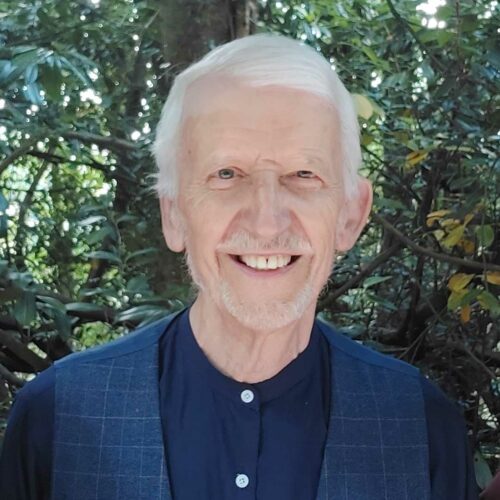
Recorded :
Freedom from stress. Freedom to Be. Freedom to Act. Join us as we explore with Christopher how these three freedoms give support to each other.

Recorded :
Similar to the phases of the moon, our spiritual practice is full of natural rhythms and seasons. In this session we will learn a simple chart, called the phases of insight, that supports recognizing what can unfold at various points in meditation. By learning these patterns we can open our hearts with more confidence, and attune to…
This week’s theme is: Awake Where You Are.
A week of meeting the world of experience just as it is, with receptivity and responsiveness, with wisdom and care.
Our Dharma Library thrives through collective generosity. Your donation helps sustain this offering for our entire community.
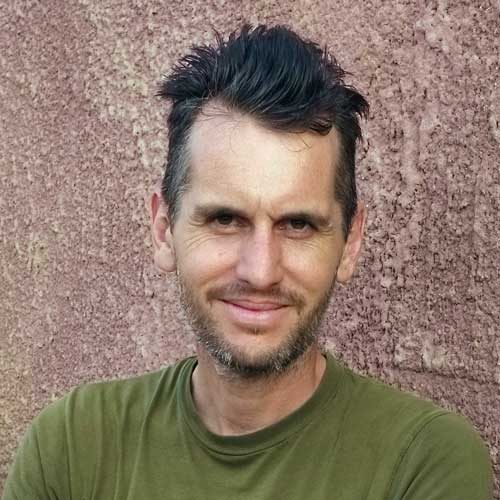
We’re grateful to have Nathan Glyde leading our Daily Meditation sessions this week. May they support and enrich your practice.
This week’s theme is: Stillness Dancing
Meditation cultivates vibrant tranquillity, not frozen silence. Like a stirred pond settling into clarity, we release agitation. Like an owl gliding soundlessly at dusk, we quiet ourselves – not to mute, but to listen deeply. In flowing stillness, we find wisdom and care, opening to a practice that is wholesome and inclusive.
Our Dharma Library thrives through collective generosity. Your donation helps sustain this offering for our entire community.