Caverly Morgan
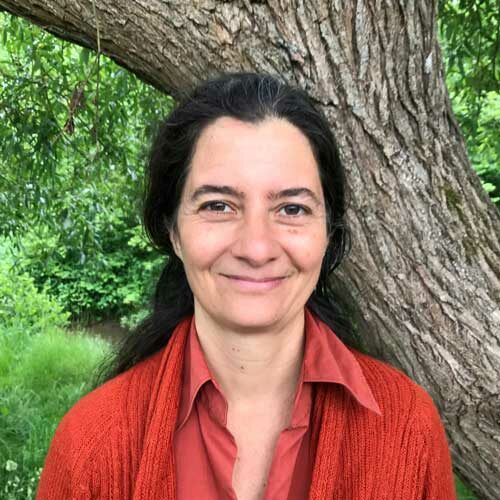
We’re very grateful to have Caverly Morgan hosting our Daily Meditation Series for North America. To find out more about Caverly, and to view her past recordings and contributions to Sangha Live, click here.

We’re very grateful to have Caverly Morgan hosting our Daily Meditation Series for North America. To find out more about Caverly, and to view her past recordings and contributions to Sangha Live, click here.

This week’s topic is “Longing for Belonging; Becoming Intimate with Expansion and Contraction”. Although people are more connected than ever through technology, there seems to be a global trance of “not belonging”. In this week’s sessions we will explore how we separate from our own selves and from others, and above all how we can come home to all our parts and sink back into a sense of belonging.

We’re fortunate that Martin Aylward has generously offered to lead our daily meditation sessions for Europe and the UK this week. Links mentioned during these sessions can be found at the bottom of this page. To find out more about Martin, and view his other recordings on the platform, click here. Due to temporary circumstances…
This week’s topic is “Awakening into Experience Here and Now”. “You shouldn’t chase after the past
or place expectations on the future.
What is past
is left behind.
The future
is as yet unreached.
Whatever quality is present
you clearly see right there,
right there.
Not taken in,
unshaken,
that’s how you develop the heart.” (MN 131)
The essence of the Buddha’s teachings lies in these words. Unshakability and freedom are at the heart of awakening, they are what we cultivate in our practice. This week we will practice turning to our experience in ways that wake us up, right here and now.

Recorded :
When a monk asked the 10th Century Zen master Yunmen, “What are the teachings of a whole lifetime?” Yunmen replied, “An appropriate response.” What is this appropriate response and how do we know we’ve got it right? Beyond linear formulas, Dharma teachings point to a natural intelligence that guides us in a spontaneous responsiveness to life….
Recorded :
What does it mean to practice? The term carries many interpretations and meanings. In this session, we won’t offer what practice should or shouldn’t mean for you; instead, we’ll embark on a journey of exploration. We’ll discover how each of us can find our practice in every moment.
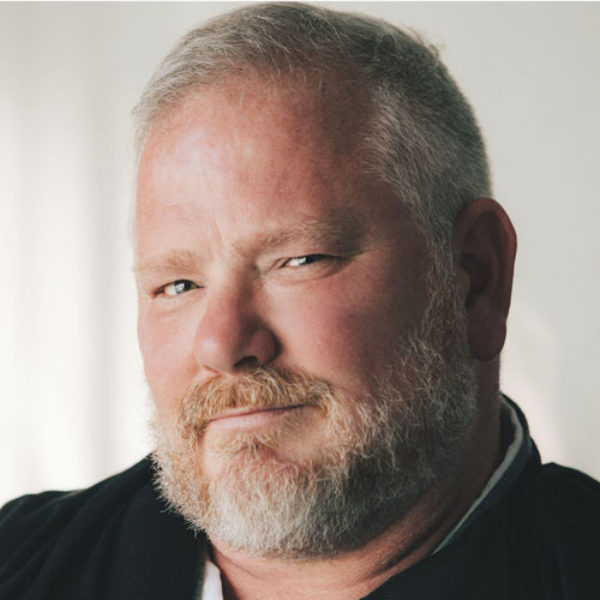
We’re fortunate that Martin Aylward has generously offered to lead our daily meditation sessions for Europe and the UK this week. To find out more about Martin, and view his other recordings on the platform, click here.

Recorded :
The qualities of trust, faith, and confidence are essential for mental health, profound spiritual explorations and the depth of relationships. To serve well, trust needs cultivating in conjunction with qualities of discerning wisdom and conscious intention. This session explores how this can be encouraged in both meditation and in our heart’s countless daily actions.

Recorded :
Worldwide Insight talk from Stephen Batchelor: “Clearly Visible but Hard to See”. Guided meditation, Dharma talk and Q&A.