Even if you’ve been meditating for years, you probably encounter old patterns that seem impervious to your mindful awareness. Maybe at times these patterns are dormant, but during challenging moments they reappear and perhaps feel intractable. In this session we’ll explore inquiry practices that can help interrupt and disentangle the mind from its habitual “stuck” places and open our hearts to the ground of insight.
Discover more from the Dharma Library
-

This Messy, Gorgeous Love: Buddhist Wisdom for Real Relationships
Recorded :
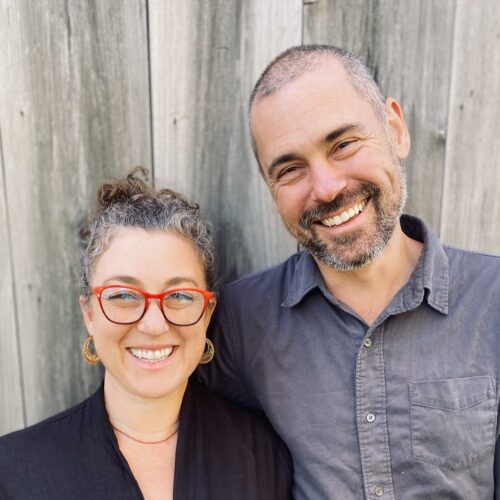
May 24, 2026 Join Buddhist teachers Devon and Nico in exploring how ancient wisdom meets modern love. Drawing from their new book “This Messy, Gorgeous Love”, they’ll share practical insights on bringing mindfulness and compassion into the beautiful complexity of intimate relationships. “You have everything you need to thrive in the midst of difficulty – together, right now.”
-
Daily Meditation Recordings, with Zohar Lavie – Week of February 1, 2021
We’re fortunate that Zohar Lavie has generously offered to lead our daily meditation sessions for Europe and the UK. To find out more about Zohar, and to view her other contributions to Sangha Live, click here.
-
Daily Meditation Recordings, with Nirmala Werner – Week of Apr 29 – 3 May, 2024
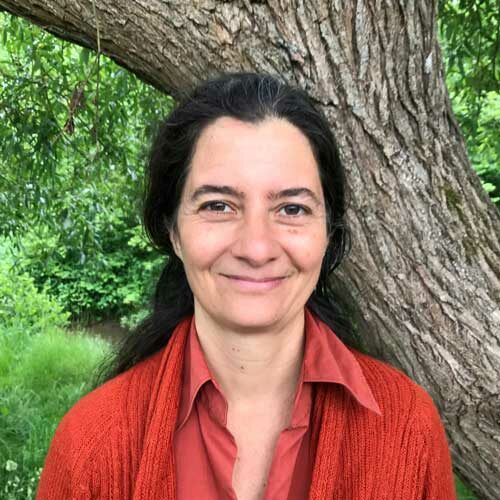
This week’s topic is “Mindfulness of the nervous system: transforming fear, struggle and separation into love and connection”. We humans are social animals and need each other to feel safe and secure, to grow and to nourish ourselves. How can we live with a sense of connection, loving-kindness, and inner family? Our meditation practice allows us to take a break between stimulus and response. When we come into contact with our loved ones, we all too easily lose the inner freedom we think we have achieved and avoid our difficulties, also called spiritual bypassing. This week we explore what supports us to react flexibly to the internal and external world, to relax and to allow closeness and real intimacy. We will look into the first foundation of mindfulness, mindfulness of the body, including harmonizing the body formations and nervous system to meet our difficulties with gentleness.
-
Daily Meditation Recordings, with Martin Aylward – Week of March 23
We’re fortunate that Martin Aywlard has generously offered to lead our daily meditation sessions for Europe and the UK. To find out more about Martin, and to view his other contributions to Sangha Live, click here. Monday, March 23 The immediacy of experience Wednesday, March 25 Receptivity and responsiveness Friday, March 27 Real time Tuesday,…
-
True Refuge
Recorded :
July 7, 2024 This talk will explore the Three Refuges — Buddha, Dharma and Sangha — as sources of true refuge in difficult times. The teaching of the Refuges is found within all schools of Buddhism and offers clear guidance for responding to our beautiful, aching world with skill and kindness.
-
The nature of experience. Part 2: Emptiness.
Recorded :
January 22, 2017 Today’s session is the second in a special run of three consecutive sessions with Martin, where he looks deeply at the nature of experience through Buddha’s profound descriptions of reality – Impermanence, Emptiness, Non self-existence. The classes point directly to how these themes can come alive in our practice and understanding, looking at the personal,…
-
Daily Meditation Recordings, with Zohar Lavie – Week of September 5, 2022
This week’s topic is “Awakening into Experience Here and Now”. “You shouldn’t chase after the past
or place expectations on the future.
What is past
is left behind.
The future
is as yet unreached.
Whatever quality is present
you clearly see right there,
right there.
Not taken in,
unshaken,
that’s how you develop the heart.” (MN 131)The essence of the Buddha’s teachings lies in these words. Unshakability and freedom are at the heart of awakening, they are what we cultivate in our practice. This week we will practice turning to our experience in ways that wake us up, right here and now.
-
Daily Meditation Recordings, with Nathan Glyde – Week of Jan 3, 2022
This week’s topic is: Beginning to See More Possibilities.
The Zen master, Shunryu Suzuki, said: “In the beginner’s mind there are many possibilities, but in the expert’s there are few.” With a beginner’s possibilities we can release our heart’s wholesome aspirations. Let’s engender a beginners spirit, and manifest our innate potential for freedom and well-being: embodying a saint’s patience to start again; an adventurer’s openness to step out of constricted views; and a creative’s zeal to reimagine ourselves and our world”