Use code SUMMERPRACTICE for a 25% discount on all On Demand Courses through August 31.

Love and Dust: Opening your Heart Wide to a Dying World

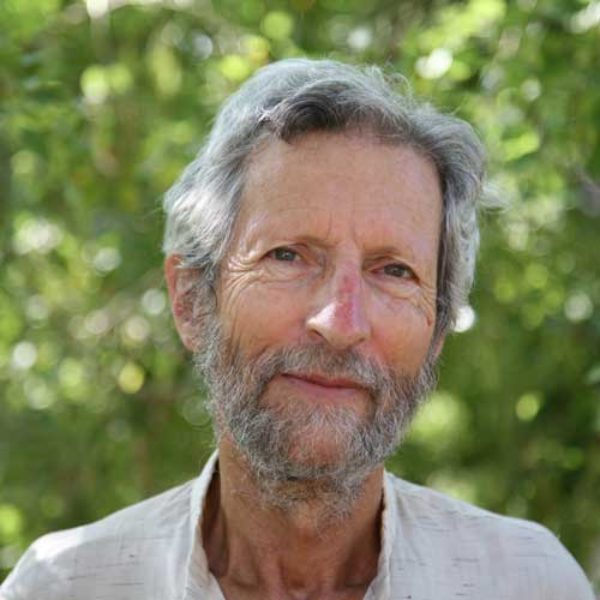
With Martin Aylward recorded on May 12, 2019.

Found our teachings useful? Help us continue our work and support your teachers with a donation. Here’s how.

With the fragile condition of our eco-system finally breaking through into the mainstream news cycle, we can easily be overwhelmed by the loss of biodiversity and permafrost, the pollution of earth, air and oceans, and the attendant insecurity and danger to life on earth. We might struggle both with the information itself – the amount, the content and the ramifications – and with our emotional response, or what is increasingly being referred to as ‘climate-grief.’

Our lives unfold in constant exposure to loss and grief. Everything is already turning into dust, ourselves included. Whether looking at our own mortality or at the larger picture of our planetary life, conventional culture constantly loses sight of this truth, either in denial or overwhelm. Dharma practice on the other hand, turns our attention towards the heart of our fragile, precious existence. Contemplating endings is a way to honour the mystery and beauty of tis fleeting life, and a way to find the courage, the will and the love to do whatever we can.

Because we naturally protect what we love, and in the end, love is the only relationship to life that truly makes sense; it is love that resolves our sense of unease, helplessness, and separation; love for all the beauty and blessings, and love in the face of inevitable loss and grief. Love that can tolerate discomfort and disagreement; love that cares, and responds; love that allows us to keep our heart open, even when it’s heavy.

In this session we look at this together and bring together our hearts, our intentions, our wisdom and our love.

Listen to the audio version below, or click here to download the mp3.

Discussion

Leave a Reply

Discover more from the Dharma Library

  • Daily Meditation Recordings, with Jaya Rudgard – Week of July 24, 2023

    This week’s theme is “Meditations on the Five Great Elements of Nature”. The five elements or energetic properties of nature (earth, water, fire, wind and space) feature frequently in the Buddha’s teaching and are a wonderful support for meditation and insight. This week we will practice with these elements as skilful means for contemplating body and world, and for cultivating the mind.

    Read More

  • Toby Sola

    The Out Breath: Unlocking Concentration

    Shodo Harada Roshi is known as a “teacher of teachers”, with masters from various lineages coming to sit with him in Japan. If you went to Harada’s monastery, the main meditation technique you’d learn involves slowing the out breath to last one minute. This drastically slows down your physiology, which in turn settles the mind.

    Read More

  • Daigan Gaither

    Precepts as Orientation

    The 5 precepts often given to lay practitioners are (with positive instructions in parenthesis): I vow not to kill (Love and support all beings)I vow not to steal (generosity)I vow not to misuse sexuality (contentment)I vow not to lie (compassionate truthfulness)I vow not to intoxicate self or other (staying mindful) We can think of precepts…

    Read More

  • Ralph Steele

    The noble jewel of Right Effort

    Right Effort is a jewel within a jewel. We investigate the Four Right Exertions that fuel Right Effort and the Hindrances that attempt to derail our intention. You will gain insight into why the Buddha referenced Right Effort as one of his eight precious disciples, which is a daily chant in the monasteries.

    Read More

  • Deborah Eden Tull - Senior Dharma Teacher

    Cultivating Joy and Responsibility in Extraordinary Times

    The Coronavirus has given us the most explicit indication of interconnection in recent history. There is a quickening to the inquiry: What distortions is it time to let go of on behalf of the greater good? What becomes possible, through the remembrance of “We consciousness?” How can non-separation inform our way of life and, as…

    Read More