Use code SUMMERPRACTICE for a 25% discount on all On Demand Courses through August 31.

Meditation and Attachment Theory

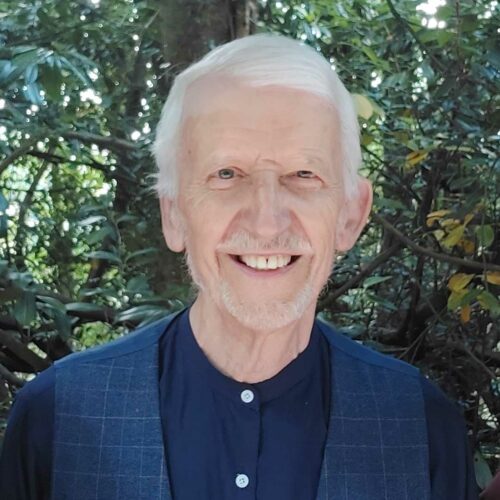
With George Haas recorded on April 14, 2024.

Found our teachings useful? Help us continue our work and support your teachers with a donation. Here’s how.

We will discuss Attachment Theory in the context of Buddhist Theravada Practice, exploring the traditional Buddhist path to liberation using descriptions of Attachment conditioning as a way to understand obstacles to practice.

We will learn skillful ways of assembling an inner circle of close people to support your path to enlightenment.

Listen to the audio version below, or click here to download the mp3.

Discussion

Leave a Reply

Discover more from the Dharma Library

  • Bart van Melik

    Trusting Impermanence

    ‘All things fall apart’ was the Buddha’s last teaching before passing away. How can we live peacefully with this universal and challenging truth? In this session, we’ll practice how attuning to change supports letting go.

    Read More

  • photo of Martin Aylward smiling

    For the love of mindfulness!

    Mindfulness practice has burst out of its Buddhist origins and is hugely impacting the culture at large, particularly in the fields of education, healthcare and business. Some delight in the liberating possibilities of this, and some are concerned about what they see as the ‘dumbing down’ of the practice, or the exclusion of important areas…

    Read More

  • Who Am I?

    “Who Am I?” is a fundamental question. You have to live the question, day in and day out. You cannot think through an answer. The self (‘I’ and ‘my’) lands on objects, voluntarily or involuntarily. Primary objects of interest include forms, feelings, perceptions, formations of mind/speech/body and consciousness (mindfulness, awareness, concentration and meditation). The self…

    Read More

  • Nathan Glyde

    Daily Meditation Recordings, with Nathan Glyde – Week of May 10, 2021

    This week’s theme is: Invitation to Awaken.

    The Buddha adopted a medical model to express the seminal and accessible four noble truths. We can see a diagnosis, a cause and symptoms, a cure, and a treatment. Namely dukkha (stress), taṇhā (thirsting), nibanna (freedom), and the noble eightfold path of release. This can be taken as a simple direction of how to understand and treat the human condition. It’s also an invitation into the depths and intricacies of the dharma.

    Read More