Use code SUMMERPRACTICE for a 25% discount on all On Demand Courses through August 31.

Methodology, Ideology and Cosmology: Three Dimensions of a Full Spectrum Practice

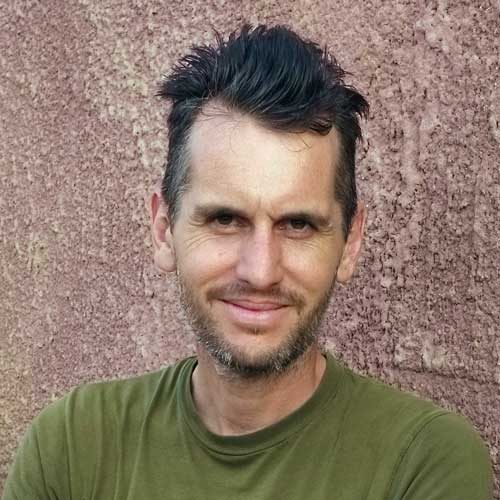
With Martin Aylward recorded on October 11, 2020.

Found our teachings useful? Help us continue our work and support your teachers with a donation. Here’s how.

Dharma practice is sometimes seen too reductively through a uniquely meditative lens. This class looks not only at what you practice (methodology) but also at why you practice (ideology) and at your understanding of the nature of reality; the way you make sense of the universe, of time and space, self and world, life and death (cosmology).

If that sounds a little abstract, rest assured that we’ll be exploring in a down to earth, experiential way, connecting the dots between our everyday practices, their liberating goal, and the way we can meet reality in ever deeper and freer ways.

Listen to the audio version below, or click here to download the mp3.

Discover more from the Dharma Library

  • Whole body breathing to regulate your mind and body

    In this session Vidyamala introduces key areas of body awareness where mindful breathing can help to bring about regulation and calm in the body/heart/mind. She calls these the 5 B’s of the breath: Buttocks, Belly, Back, Back of the throat and Brain. She introduces the physiology of these areas and then leads a guided meditation….

    Read More

  • 2026: Where to Now? Dharma Practice in Times of Crisis

    As we enter a year marked by global uncertainty, collective grief, and profound transition, many wonder: How do we practice now? We’ll explore how Dharma can serve as a living refuge, not as withdrawal from the world, but as a steady ground for clarity, compassion, and ethical response. And how response to suffering, our own…

    Read More

  • An Experience is Not The Point

    A deep application of attention includes the sustained application to any important experience. This includes a vast range of happy or painful, spiritual or conventional experiences. There is the view of the experience and the experience. What is a fresh way to see an important experience? Does the view of the experience matter more than…

    Read More

  • James Baraz

    Changing the Channel: Opening to Goodness

    The barrage of frightening headlines often leaves us with feelings of despair, hopelessness, and negativity. While it’s important to feel connected to the suffering all around us, it is equally important to nourish ourselves by opening to the goodness in life–both inside and around us. Our caring can then be held with more spaciousness and…

    Read More

  • Vimalasara Mason-John

    Compassion is a Political Act

    This session is invitation for white practitioners and others to join Vimalasara in a discussion on the theme of liberation, the central tenet of Buddhist teachings. No one is liberated until we are all liberated. What if we made explicit that Black Lives Matter was part of the Bodhisattva vow? How would that impact our…

    Read More

  • photo of Martin Aylward smiling

    An Open Heart in Hell

    After a summer of extreme heat, drought and fire, we may well enter the autumn wondering how to manage the grief at our fragile and collapsing ecology. Taking the title An Open Heart in Hell from Nick Mulvey’s recent song “Prayer of my Own“, we’ll use this session to honour the pains of the heart without getting…

    Read More

  • James Rafael

    Daily Meditation Recordings, with James Rafael – Week of January 8, 2024

    This week’s topic is “New Year Habits and Hindrances”. In this week’s sessions we’ll explore how engaging with the Buddha’s teachings on the ‘5 Hindrances’ can help establish or deepen the habit of a daily meditation practice.

    If you’re new to meditation, this framework offers ways to engage with common challenges we may face; “I can’t sit still’, “My mind is just too busy”, “I’m just not sure if this is working”.

    If you have a consistent, established practice, revisiting the hindrances can be a gateway to access deeper levels of concentration (samatha), and the subsequent, often profound, insight (vipassana) which follows.

    Read More