Use code SUMMERPRACTICE for a 25% discount on all On Demand Courses through August 31.

Pathways to Happiness

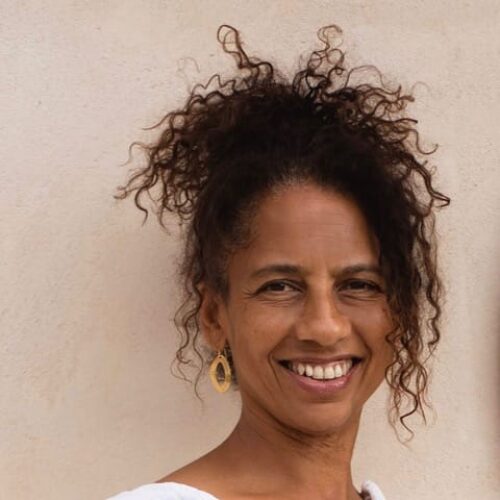
With Zohar Lavie recorded on November 10, 2019.

Found our teachings useful? Help us continue our work and support your teachers with a donation. Here’s how.

Being human includes feeling great and feeling pain; given the changing nature of experience what kind of happiness is possible for us? Can we cultivate freedom, happiness and contentment that are less reliant on things ‘going our way’? The attitudes of goodwill, care and friendliness are some of our greatest allies in practice, and also in life. They are inherent within Dharma practice, but are also ways of relating to experience that we can emphasise and cultivate intentionally.

During this session we explore how the ways we relate to experience impact what we perceive, and the possibilities of nourishing attitudes that support the wellbeing of all.

Listen to the audio version below, or click here to download the mp3.

Discussion

Leave a Reply

Discover more from the Dharma Library

  • Kaira Jewel Lingo

    Reverence is the Nature of My Love

    The Diamond Sutra, possibly the oldest text on deep ecology, teaches that there are four notions that separate us from life that we must throw away: the concepts of self, lifespan, humans, and living beings. In this session we will learn practices that enable us to go beyond this limited perception of reality to touch how interconnected with all life we are.

    Read More

  • Christelle Bonneau

    The First Duty of Love is to Listen

    What is meditation and everyday life mindfulness practice but listening? True listening is neutral, non-judgemental, welcoming and silent. It’s a window to a larger vision and freedom, which gets us out of the narrow jail of self and creates an intimacy with life in which we feel more alive and loving. Join Christelle to explore…

    Read More

  • Wisdom and compassion in our relationships: two sides of the same coin.

    Wisdom and compassion are two wonderful qualities that grow in us as our practice deepens. Diving into each one and into the inseparable nature of the two reveals the way in which they support and give rise to one another, and the way they manifest in our relationships: with ourselves, with others, with the world….

    Read More

  • Deborah Eden Tull - Senior Dharma Teacher

    You are Not Alone: Healing the Myth of Separation

    The dharma invites us to face ourselves fully. But through fear, we sometimes distract ourselves, over-fill ourselves, and hold onto external attachments, in order to avoid.…what? The illusion that we are separate and isolated manifests in ways conscious and unconscious, but over time practice reveals to us that it is simply the ego that fears…

    Read More

  • Zohar Lavie

    Daily Meditation Recordings, with Zohar Lavie – Week of October 2, 2023

    This week’s topic is “Wholehearted Presence”. Meeting experience as it unfolds with presence and interest, we uncover the wellbeing and freedom available to us on the Dharma path. Through this week’s exploration we will open to what supports a wholehearted approach to practice, and understand what is nourished and cultivated when we relate to experience in this way. 

    Read More

  • photo of Martin Aylward smiling

    The nature of experience. Part 2: Emptiness.

    Today’s session is the second in a special run of three consecutive sessions with Martin, where he looks deeply at the nature of experience through Buddha’s profound descriptions of reality – Impermanence, Emptiness, Non self-existence. The classes point directly to how these themes can come alive in our practice and understanding, looking at the personal,…

    Read More

  • Daily Meditation Recordings, with Milla Gregor – Week of June 20, 2022

    This week’s topic is Skills for Inner and Outer Transformation. Dharma practice gives us great tools for inner and interpersonal change. It’s empowering to explore how these can also be useful for social and environmental transformation. We will tour such qualities, including equanimity (upekkha), non-self (anatta), and sukha (yes, pleasure!). Together, we will draw on both traditional and more contemporary voices to show how your skills as a practitioner could be vital to the work of changing the world.

    Read More