Use code SUMMERPRACTICE for a 25% discount on all On Demand Courses through August 31.

A Skilful Dance: The Three Characteristics Of Life and The Winds of Dharma

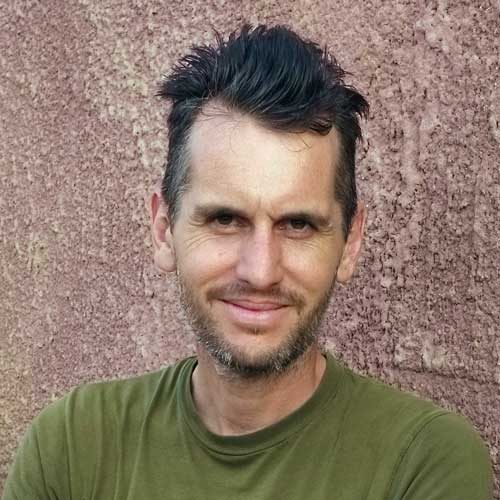
With Ralph Steele recorded on June 7, 2020.

Found our teachings useful? Help us continue our work and support your teachers with a donation. Here’s how.

(Please note that, due to problems with the video streaming platform on the day of this session, this talk was unfortunately not recorded in its entirety.)

In this session Ralph explores using the Winds of Dharma to gain insight into the Three Characteristics of Life. The ocean of consciousness can be equated to life’s characteristics of impermanence, suffering, and no-self. It’s a skilful dance in being mindful of the characteristics and especially during the bad times in life.

Listen to the audio version below, or click here to download the mp3.

Discover more from the Dharma Library

  • Christelle Bonneau

    The First Duty of Love is to Listen

    What is meditation and everyday life mindfulness practice but listening? True listening is neutral, non-judgemental, welcoming and silent. It’s a window to a larger vision and freedom, which gets us out of the narrow jail of self and creates an intimacy with life in which we feel more alive and loving. Join Christelle to explore…

    Read More

  • Uncovering your Natural Awareness

    There are many ways to practice mindfulness, from the focused and deliberate to the expansive and relaxed. In this session, Diana teaches about natural awareness, which is a wide open, spacious, effortless awareness of awareness. Learn simple shifts and “Glimpse Practices” to connect with our radiant awareness. (A version of this recording with Spanish subtitles…

    Read More

  • Pamela Weiss

    True Refuge

    This talk will explore the Three Refuges — Buddha, Dharma and Sangha — as sources of true refuge in difficult times. The teaching of the Refuges is found within all schools of Buddhism and offers clear guidance for responding to our beautiful, aching world with skill and kindness.

    Read More

  • The freeing of human consciousness: from seeing the world ‘out there’, separate and alien, to directly knowing, feeling, and living the intimacy of all things

    The Shurangama Sutra, which points out the foundations of Zen practice, discusses the essential nature of mind as the “primal essence of consciousness that brings forth all conditions.” Implied is the heart-mind (citta) both profoundly intimate with all things while at the same time free and independent of all things. How is it to live…

    Read More

  • Deborah Eden Tull - Senior Dharma Teacher

    The Unguarded Heart: Meeting Anger and Resentment with Love and Forgiveness

    In this talk, we explore anger, resentment, jealousy, and other difficult emotions – learning how to see clearly and meet anger with true love and acceptance. We explore our misunderstandings about anger and learn how to cultivate the compassionate presence that offers a vast and courageous expression of love. Compassion’s perception of anger is more…

    Read More

  • Jaya Julienne Ashmore

    When Less is More

    Gautam Buddha said he gained nothing from complete awakening. What are our everyday experiences of the magic of less? Trying less does not mean less energy, connection or insight. How little effort is needed to hear a sound or to feel the ground? Simply listening to a friend with ease and no answers can leave…

    Read More

  • Can We Know the End of the World?

    We find ourselves concerned with the state of the world yet we do not live in one world. Our inner world reveals significant differences from the outer world. The outer world offers a variety of impressions to people. It is not unusual to claim we live in different worlds. The one world view seems to…

    Read More

  • Suffering and the end of suffering.

    The ancient and radical teachings of the Buddha point to the possibility to be a free, loving and happy human being in the midst of our everyday lives. Oftentimes our stress, dissatisfaction or suffering come not necessarily from the actual things or events themselves, but from our relationship to them. A different way of looking…

    Read More