Use code SUMMERPRACTICE for a 25% discount on all On Demand Courses through August 31.

Daily Meditation Recordings, with Jaya Rudgard – Week of May 31, 2021

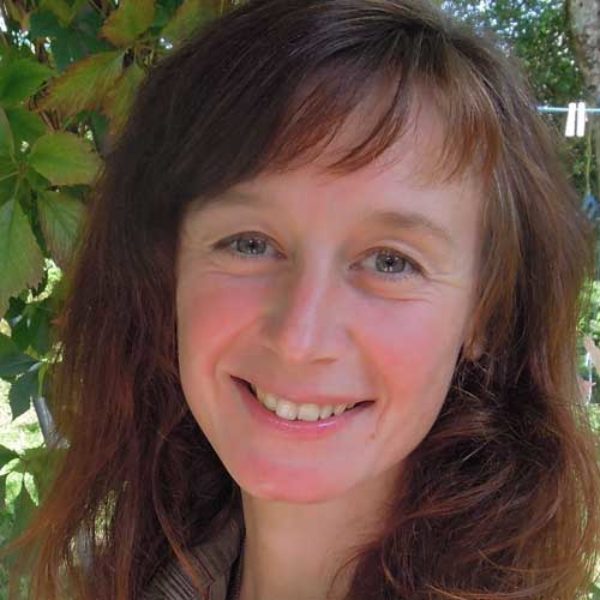
Jaya Rudgard

We’re fortunate that Jaya Rudgard has generously offered to lead our daily meditation sessions for Europe and the UK. To find out more about Jaya, and to view her other contributions to Sangha Live, click here.


This week’s topic is “Rediscovering Simplicity: Renunciation and the Art of Letting Go“.


Recordings are posted 24 – 36 hours after they are first streamed.
Letting go as one of the ten perfections (paramis)

May 31, 2021

Letting go of "being good enough"

June 1, 2021

Letting go of views and opinions

June 2, 2021

Letting go of wanting more

June 3, 2021

Letting go of doing

June 4, 2021

Discover more from the Dharma Library

  • Chris Willard

    How We Grow Through What We Go Through

    How can we, and our communities, not just survive but thrive during challenging, post-traumatic times? Spirituality, positive psychology, anthropology, neuroscience, mindfulness and more have boosted human resilience in the face of adversity for generations. Through this session will explore meditation practices that can help us to transform challenges into creative opportunities for growth.

    Read More

  • Nathan Glyde

    Daily Meditation Recordings, with Nathan Glyde – Week of Sept 25, 2023

    This week’s topic is “Getting A Feel For Feeling”. As we perceive, we add a feeling (vedanā) to our experience. When we are unaware of this process and react to the projected feeling, it causes unnecessary suffering (dukkha). However, understanding this process and responding skilfully leads to one of the deepest senses of freedom available. Let’s explore this freedom through our daily meditations this week.

    Read More

  • The Individual-Relational Dharma Paradox and Why it Matters to Your Life

    Biologically, psychologically, and in common sense there is no doubt that the human experience is both intrinsically individual and intrinsically relational. Our bodies are separate. You will never directly know my inner universe. Also, our bodies evolved to relate. The brain is a relational organ. Our sense of safety and joy, suffering and inquiry, has…

    Read More

  • Daily Meditation Recordings, with Caverly Morgan – Week of April 13

    We’re very grateful to have Caverly Morgan hosting our Daily Meditation Series for North America. To find out more about Caverly, and to view her past recordings and contributions to Sangha Live, click here. Monday, April 13 The refuge of presence Wednesday, April 15 Clear seeing: recognizing ourselves as that which doesn’t reject and doesn’t…

    Read More

  • Lisa Ernst

    How to Recharge Your Practice with a Tried and True Inquiry

    Even if you’ve been meditating for years, you probably encounter old patterns that seem impervious to your mindful awareness. Maybe at times these patterns are dormant, but during challenging moments they reappear and perhaps feel intractable. In this session we’ll explore inquiry practices that can help interrupt and disentangle the mind from its habitual “stuck”…

    Read More

  • How to Find Equanimity Amidst Upheaval

    We are deeply habituated to seek equanimity as if it’s a state to be found. In times of crisis, stakes are high. We try harder. The more desperate we feel, the more effort we put in. In this striving, we forget to ask: “Who is it that’s striving?” This question isn’t about finding the right…

    Read More

  • Daily Meditation Recordings, with Ulla Koenig – Week of Sept 12, 2022

    This week’s topic is (Be)Come As You Are. Our driven-ness, our ruminating thoughts, and our feelings of shame, guilt, and anxiety never allow us to simply ‘be’. They evolve around a sense of identity , a process the Buddha called selfing (bhava), a form of suffering (dukkha). We are endlessly trapped in a narrative of who we think we ought to be, were in the past and should be in the future.

    We will dedicate our shared time together to build an awareness of these processes and find alternative ways to relate to the many experiences of life.

    Read More