Use code SUMMERPRACTICE for a 25% discount on all On Demand Courses through August 31.

Daily Meditation Recordings, with Martin Aylward – Week of 5 February, 2024

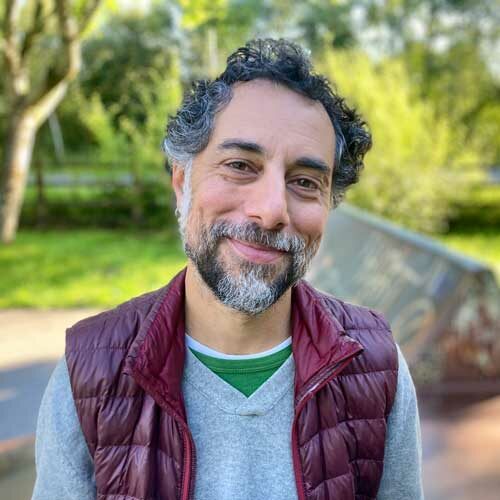
photo of Martin Aylward smiling

Martin Aylward

We’re fortunate that Martin Aylward has generously offered to lead our daily meditation sessions for Europe and the UK. Click here to find out more about Martin and to view his other contributions to Sangha Live.


This week’s topic is “Fear and Fearlessness”


A week of exploring how our mind gets gripped, and how our practice frees us.


We’ll explore causes and conditions of fear, and the ways fear can dissolve, and the radical possibility of a fearless life.


What are you really afraid of?

February 5, 2024

Living beyond optimism and pessimism

February 6, 2024

A vast, open, undefended attitude

February 7, 2024

There’s nothing to fear!

February 8, 2024

Embrace this constant changing

February 9, 2024

Discover more from the Dharma Library

  • Nathan Glyde

    Daily Meditation Recordings, with Nathan Glyde – Week of 07 July, 2025

    We are delighted to have Nathan Glyde leading our Daily Meditation sessions this week. May they bring depth and ease to your practice.

    This week’s theme is: Caring Resolve

    Relieving suffering is the essential task of Buddha-Dharma, applicable to our inner and outer world. This calls for a spacious intimacy that is neither distant and indifferent, nor enmeshed and overwhelmed. Meeting pain with caring resolve loosens distress into ease, transforms reactivity into response, and liberates the limited heart into boundless connection.

    Our Dharma Library thrives through collective generosity. Your donation helps sustain this offering for our entire community.

    Read More

  • Lisa Ernst

    The Gap and The Second Noble Truth

    There’s a moment before craving takes hold – a gap. In that space, we gradually cultivate choice in how to respond. This talk explores the Second Noble Truth: how reaching and pushing away pulls us from the present, and how the practice of recognizing the gap – whether a split second or something larger –…

    Read More

  • photo of Martin Aylward smiling

    Feeling the blessings of your life.

    We are easily and often exposed to the greed, hatred and delusion that easily directs our own minds, and seems to be running the world. Yet whatever our personal circumstances, there is much we can appreciate and be grateful for. In this session, Martin explores the quality of appreciation – mudita – as a way…

    Read More

  • Martine Batchelor

    Mindfulness of sympathetic joy.

    Sympathetic Joy (mudita) is one of the four noble qualities recommended by the Buddha on the path of awakening. Such joy arises from appreciating the good fortune of self and others.

    Read More

  • Nina la Rosa

    Sometimes Bodhisattvas need a rest!

    The life of a bodhisattva can be tough. There is immense suffering on our planet at this moment in history. It can be joyful work, but it can also be difficult to live a life aligned with values such as serving others with compassion. How can the wisdom of the dharma help? Join Nina La…

    Read More

  • Vimalasara Mason-John

    Sitting With Our Ancestors

    In times of struggle we can always call on the ancestors. Our affinity ones are just as important as our biological ones. The Buddhist path is full of affinity beings who inspire us. Join me in remembering those who have gone before us, and paved the path of freedom and liberation.

    Read More

  • Daily Meditation Recordings, with Ulla Koenig – Week of September 18, 2023

    This week’s theme is “Understanding Suffering”. Dukkha, often translated as suffering, is a central concept in the Buddha’s teachings. This has led some to view Buddhism as adopting a negative outlook on life. But is this true? Why did the Buddha emphasise suffering (dukkha) and what does he mean by this concept? This week of practice we will take an in-depth look into the first noble truth around dukkha. This exploration can help us cultivate compassion, as well as extending it to the larger community. It can free us from feelings of shame and a sense of failure, and bring a fresh perspective on our practice.

    Read More