Martin Aylward
We’re fortunate that Martin Aywlard has generously offered to lead our daily meditation sessions for Europe and the UK. To find out more about Martin, and to view his other contributions to Sangha Live, click here.

We’re fortunate that Martin Aywlard has generously offered to lead our daily meditation sessions for Europe and the UK. To find out more about Martin, and to view his other contributions to Sangha Live, click here.

Recorded :
There is a power in simply being here now. In times of trouble, the ability to be radically present might have more to offer than we think. Join Lama Willa as she explores this topic in this session.

This week’s theme is “Timeless Presence in Daily Life: Being Yourself, Being at Home”. This week we will be exploring the possibility of being grounded in the depth of timeless presence in the midst of daily life. How to live a full life from silence and emptiness? How can we feel at home in our own skin and in the very circumstances of our life? How can we awaken an awareness and a heart that embraces life, dukkha and beyond? The grace of presence reveals the possibility of settling in reality and living with ease.

Recorded :
Feelings have the power to motivate one toward wise action when facing a challenge. They can also cause intense suffering, drive and distort behavior, and lead to regret. Being able to work with emotions, both intense and subtle, is a skill that can be developed through mindfulness meditation. We explore the Unified Mindfulness technique of…
We’re fortunate that Martin Aylward has generously offered to lead our daily meditation sessions for Europe and the UK this week. To find out more about Martin, and view his other recordings on the platform, click here. Due to temporary circumstances there may be slight delays in uploading this week’s recordings. Thank you for your…

We’re very grateful to have Caverly Morgan hosting our Daily Meditation Series for North America. To find out more about Caverly, and to view her past recordings and contributions to Sangha Live, click here. Monday, May 4 Releasing ownership, releasing suffering Wednesday, May 6 Seeing through the veil of the conditioned mind Friday, May 8…
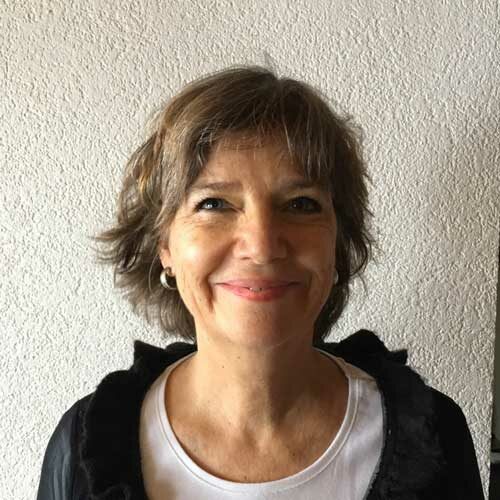
This week’s topic is “Fear and Fearlessness in the Midst of Uncertainty”. We try to secure our lives by any means necessary. We do our best, we tend to our business, and boom!, a crisis occurs. Whether it’s an ecological, political, pandemic, professional, relational or spiritual crisis… life does not leave us settled, bringing up a whole procession of fears and worries. So how can we find peace? How can we become fearless? This is the theme we will explore this week on Sangha Live.
Recorded :
Goodness does not appear all at once; it grows through small, intentional acts. In this Sangha Sunday, we explore how mindfulness helps us recognize and tend what is already wholesome within us, offering a preview of the practices and reflections that will be covered in the course Growing the Good. Further resources from Kaira Jewel:…

We’re delighted to have Nathan Glyde guiding our Daily Meditation sessions this week. May they support and enrich your practice.
This week’s theme is: It’s Like This, Right Now
Acceptance must be applied wisely to lead to liberating awakening. We accept “it’s like this, right now”, but we don’t stop there. We also acknowledge that “this” is subject to changeable conditions, and we accept the opportunity to contribute to freedom.
Our Dharma Library thrives through collective generosity. Your donation helps sustain this offering for our entire community.