Martin Aylward
We’re fortunate that Martin Aywlard has generously offered to lead our daily meditation sessions for Europe and the UK. To find out more about Martin, and to view his other contributions to Sangha Live, click here.

We’re fortunate that Martin Aywlard has generously offered to lead our daily meditation sessions for Europe and the UK. To find out more about Martin, and to view his other contributions to Sangha Live, click here.
Recorded :
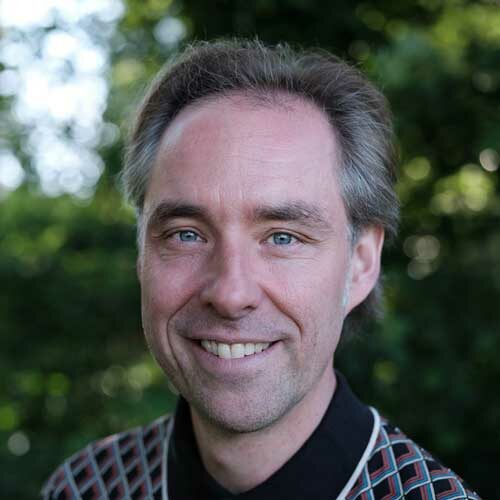
Awareness isn’t something you make. It’s already here when you pause and notice. Mindfulness knows the good and helps it grow happily. It also knows the difficult and helps us hold it with care. Join us to explore how wise mindfulness protects us, bringing kindness and wisdom to each moment.
Daily meditations with Martin Aylward.

Recorded :
Where’s your body? Can you feel it? Is it still there?! Life is full. There’s so much to plan and think about. We can go hours without feeling a single breath or footstep. Can you relate? By getting lost in our thoughts we over-identify with a limited sense of “self” and therefore suffer. We will…
We’re honored to have Martin Aylward offering our Daily Meditation sessions this week. We hope they are nourishing for your practice.
This week’s theme is: Embracing Complexity and Contradiction
A week of exploring and cultivating a life and practice of radical open-heartedness
Our Dharma Library thrives through collective generosity. Your donation helps sustain this offering for our entire community.

Recorded :
What is this incredible archetype? How does it show up in Buddhist history and teachings? How is it relevant to our current times? This talk will explore the idea of beings who commit to waking up in order to respond to the suffering of the world. And might we be one? Or want to?
Recorded :
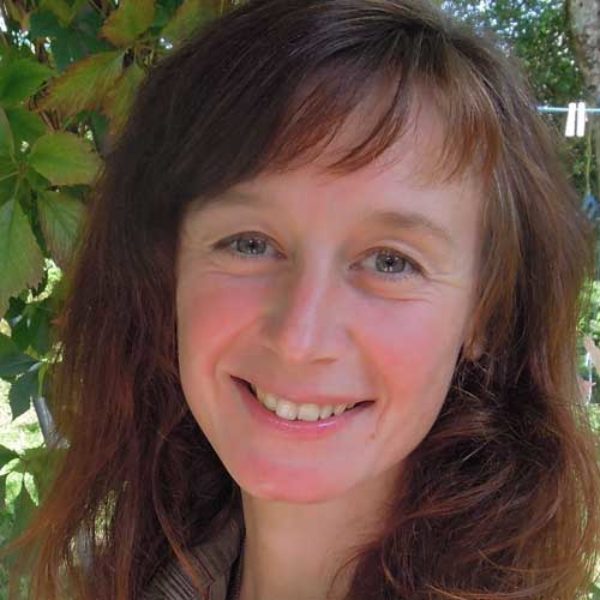
How do we keep meditation practice alive, both firm enough and flexible enough to respond to our changing needs, health issues and practical considerations? How do we stay connected to the essence of practice day-to-day, and make peace inside with reality as it actually is? In this session we explore a few different forms of…
Recorded :
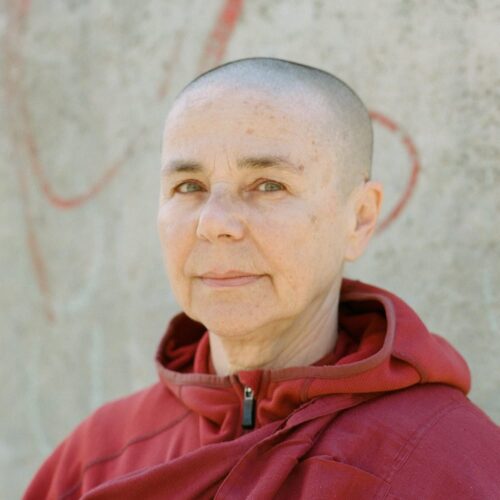
The Earth speaks to us through our bodies. By contemplating the elements we come to understand that all life on Earth is simply interbeing. Through this sensed understanding we begin to transform human supremacy into human response-ability, a deepening of our inborn capacity for a healthy regenerative relationship with ourselves and our world. Quote: The…
Recorded :
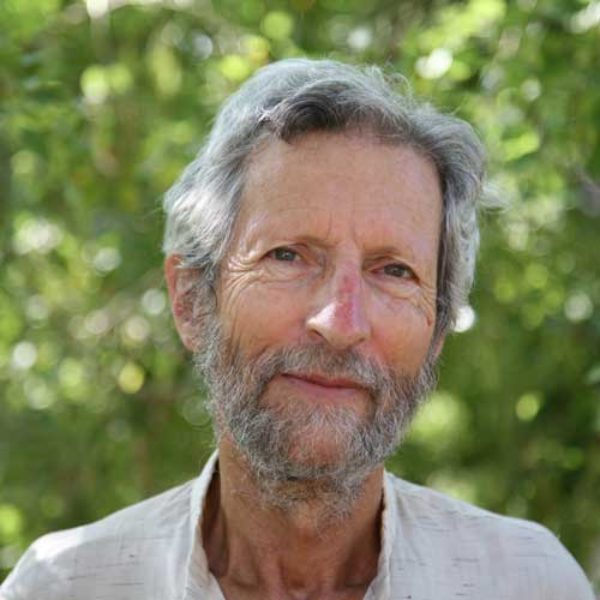
Peace sometimes feels impossible to find. It is there for a while then something happens and conflict or friction returns. It may be conflict with ourselves, in relationships to people close to us, at our work place, or between social groups. Often we can feel despaired that despite much dharma practice and meditation, conflict keeps…