Use code SUMMERPRACTICE for a 25% discount on all On Demand Courses through August 31.

Daily Meditation Recordings, with Nathan Glyde – Week of Jan 3, 2022

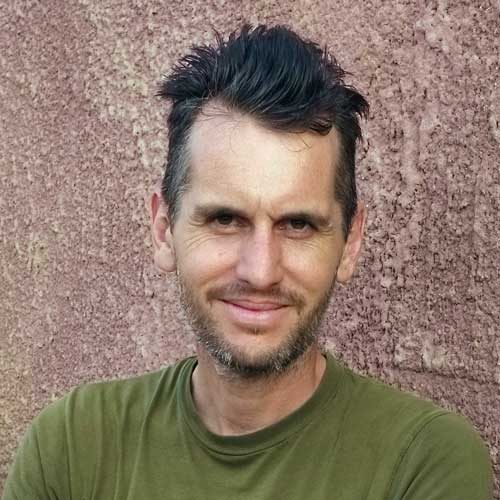
Nathan Glyde

Nathan Glyde

We’re fortunate that Nathan Glyde has generously offered to lead our daily meditation sessions for Europe and the UK. To find out more about Nathan, and to view his other contributions to Sangha Live, click here. Recordings are posted 24 – 36 hours after the live session runs.


This week’s topic is Beginning to See More Possibilities.


The Zen master, Shunryu Suzuki, said: “In the beginner’s mind there are many possibilities, but in the expert’s there are few.” With a beginner’s possibilities we can release our heart’s wholesome aspirations. Let’s engender a beginners spirit, and manifest our innate potential for freedom and well-being: embodying a saint’s patience to start again; an adventurer’s openness to step out of constricted views; and a creative’s zeal to reimagine ourselves and our world
Patiently beginning again

January 3, 2022

Freedom possibilities

January 4, 2022

Freshly aware

January 5, 2022

A new perspective

January 6, 2022

What really matters

January 7, 2022

Discover more from the Dharma Library

  • The Relative is the Absolute: Touching Race, Injustice, and Love

    When we engage in the distortion that the relative plane is separate from the absolute – that it is something to transcend or ‘just an illusion’ – we ignore the reality of the illusion. When we know ourselves as a whole which subsumes everything, we cease to diminish or dismiss the mystery of being human….

    Read More

  • photo of Martin Aylward smiling

    The Jewel of Sangha: We all need Community, Support and Love

    Martin writes: “Sangha is about community, support and love; it is one of the 3 jewels (Buddha-Dharma-Sangha) of our practice. But in the individualistic cultures and atomised structures in which many of us live, sangha too often gets inadequate attention. This is especially true in the Vipassana / Insight meditation tradition, because while silent meditation…

    Read More

  • Norman Blair

    Settling Into Your Body In Meditation

    Finding a comfortable body posture when meditating is a crucial element in our practice. We can use our bodies as a way of experiencing change and impermanence. In this session, we will be looking at ways to make our bodies comfortable for meditation – both standing (if appropriate for your body) and sitting. We will examine various postures and do various techniques that can be helpful for meditating.

    Read More

  • Sophie Boyer

    Daily Meditation Recordings, with Sophie Boyer – Week of 01 December, 2025

    This week’s theme is: Before Reactivity

    Desire and ill-will very often drive our experience without being noticed. Learning to stay in the space before it arises, no matter how uncomfortable it can be is the entry point that leads to resilience. This week Sophie Boyer invites us to explore some ways to become more familiar with that space and experience the freedom that emerge from it. Resilience as a space of non-reactivity.

    Our Dharma Library thrives through collective generosity. Your donation helps sustain this offering for our entire community.

    Read More

  • The Practice of Blamelessness

    We are deeply conditioned to blame; it’s a survival strategy. Though it can feel necessary, maybe even fruitful to part of us, blaming arises out of suffering, and leads to more suffering. The process of blame is not required but we don’t always know how to put it down. How do we let it go?

    Read More

  • Daily Meditation Recordings, with Ulla Koenig – Week of October 23, 2023

    This week’s theme is “Touched by Dukkha”. Living life involves being in touch with various experiences, some of which are challenging. These challenging experiences, referred to as ‘dukkha’ by the Buddha, inevitably stir the heart-mind. Our sensitive nature is touched by dukkha, manifesting in ripple effects like impulses, emotions, and thoughts. This week, we’ll explore together what the Buddha called the second noble truth, to understand how our reactions and responses to dukkha shape our lives.

    Read More