Use code SUMMERPRACTICE for a 25% discount on all On Demand Courses through August 31.

Daily Meditation Recordings, with Nathan Glyde – Week of September 19, 2022

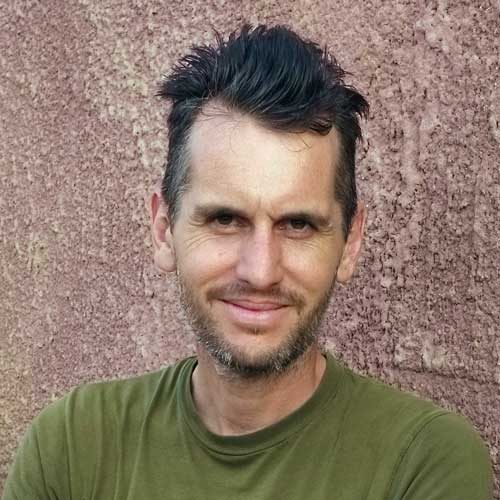
Nathan Glyde

Nathan Glyde

We’re fortunate that Nathan Glyde has generously offered to lead our daily meditation sessions for Europe and the UK. To find out more about Nathan, and to view his other contributions to Sangha Live, click here. Recordings will be posted by the end of the day of the live session.


This week’s topic is “Compose Yourself”


Dharma teachings appear to pull ‘us’ in two directions: on the one hand we pacify, renouncing and let go of everything, even of ourselves; on the other we energise, expanding our being into interconnection, to extend a limitless, inclusive welcome to all everywhere. But in actuality, we discover that there is no contradiction with this mismatch. For the well-composed practitioner, expanding goodwill and liberating release harmoniously and melodically intertwine.
Come, Position the Form

September 19, 2022

Pose a Question to Thoughts

September 20, 2022

Gratitude Proposes

September 21, 2022

Composite Perception-Conception

September 22, 2022

Conduct Life Forcelessly

September 23, 2022

Links:

Intending to Meditate, and Meditating with Intent

Discover more from the Dharma Library

  • Emily Horn

    Intuitive Wisdom and Embodied Love

    “From my own experience, there is no difference between mindfulness and loving kindness. When you are fully loving, aren’t you also mindful? When you are mindful, is this not also the essence of love?” – Dipa Ma This session will invite us to reconnect with our inner compass by cultivating intuitive mindfulness-the blend of present-moment…

    Read More

  • Dave Smith

    I think I am…Understanding self and non-self, through the five aggregates

    One of the most puzzling and profound aspects of Dharma is the teaching of anatta; translated as non-self. For us living in the modern world, with the emergence of social media and the over emphasis and obsession with self, how can we use this teaching in a way that is constructive, authentic, relevant and realistic….

    Read More

  • Eugene Cash

    Not Clinging to Anything in the World

    These words, spoken by the Buddha in the Satipatthana Sutta, point us to the potential for awakening inherent in mindfulness practice. Even now, in the midst of the pandemic of Covid-19, we can explore what it means to live a life of love, commitment and authenticity as we discover the freedom of not clinging to…

    Read More

  • Justine Dawson

    Including All Parts of Ourself in Practice

    Are all parts of you welcome in your spiritual practice? What happens when desire, aggression, anxiety or obsession burst through your heart’s door? It is possible to cultivate an awareness that includes all, without fear or rejection. In today’s session, explore simple and potent practices for ending the internal war and welcoming ALL of you…

    Read More

  • Chris Germer

    The Power of Self-Compassion

    Most people are more compassionate toward others than themselves when things go wrong. However, burgeoning research shows that self-compassion is good for everybody. Fortunately, it can be learned.  How can we seamlessly bring self-compassion into meditation practice and daily life?  What are two secrets about self-compassion practice that make all the difference?

    Read More

  • Brian Dean Williams

    Seeing Clearly in an Age of Confusion

    The Buddha spoke of the three poisons of greed, hatred, and delusion. We see all three of these showing up in the realm of global events currently, and in particular, the phenomenon of ‘fake news’, intentional misinformation, and delusional thinking. How might the practice of Vipassana or ‘seeing clearly’ help us in this context? How…

    Read More

  • Cultivating Wise Energy

    Everything we do in life depends on energy, but the modern world has a destructive and exploitative relationship with energy. What is wise, balanced energy in spiritual practice? How can we establish this in the face of societal pressure and norms, and how can it be a resource in our daily life?

    Read More