Use code SUMMERPRACTICE for a 25% discount on all On Demand Courses through August 31.

Daily Meditation Recordings, with Wiebke Pausch – Week of November 20, 2023

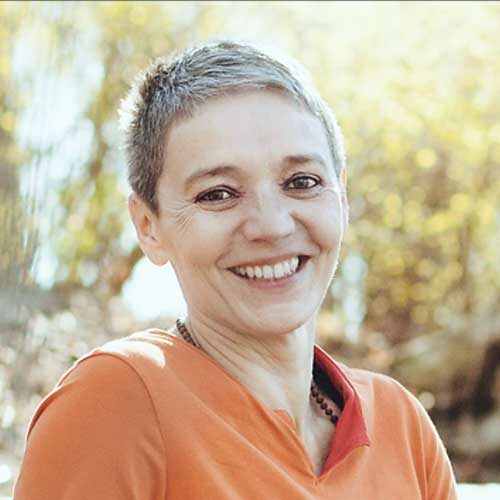
Wiebke Pausch

Wiebke Pausch

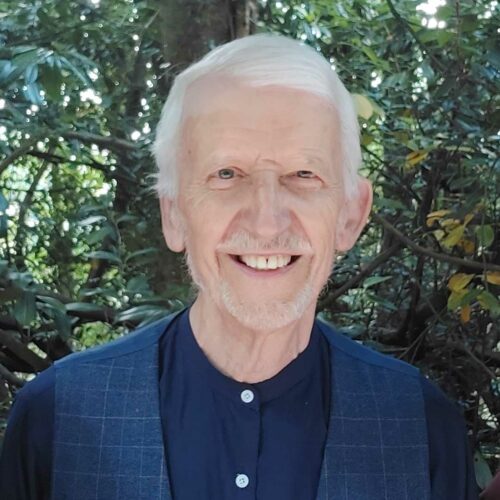
We’re fortunate that Wiebke Pausch has generously offered to lead our daily meditation sessions for Europe and the UK. To find out more about Wiebke, and to view her other contributions to Sangha Live, click here. Recordings will be posted by the end of the day of the live session.


This week’s topic is “May I be kind to myself”


May I be kind to myself – coming home to kindness and giving ourselves the love and care we need and deserve. What helps us to nurture this love – especially in the most challenging moments? We will explore how we can move towards more tenderness and open heartedness for ourselves and others.

 

Coming home to kindness

November 20, 2023

May I be kind to this body

November 21, 2023

Remembering our goodness

November 22, 2023

Fierce compassion

November 23, 2023

Embracing suffering

November 24, 2023

Discover more from the Dharma Library

  • Daily Meditation Recordings, with Leela Sarti – Week of 16 March, 2026

    This week’s theme is: The Mystery of Being

    We often live entangled in memories, stories, and fixed images of ourselves and the world. We’re running behind, trying to catch up. We’re reacting rather than responding to life. Surely there is more to this earthly journey?
    The practice of sacred attention, of embodied awareness and presence, leads us to the mysterious ground of our nature.

    Our Dharma Library thrives through collective generosity. Your donation helps sustain this offering for our entire community.

    Read More

  • Who Am I?

    “Who Am I?” is a fundamental question. You have to live the question, day in and day out. You cannot think through an answer. The self (‘I’ and ‘my’) lands on objects, voluntarily or involuntarily. Primary objects of interest include forms, feelings, perceptions, formations of mind/speech/body and consciousness (mindfulness, awareness, concentration and meditation). The self…

    Read More

  • The Wisdom of Equanimity

    The dominant culture treats unpleasant feelings as problems, and pleasant feelings as if we should experience them all the time. This is neither possible nor wise. How can we fully feel the beautiful and painful aspects of our lives so that we are strengthened and enriched by the depth and breadth of this human experience?…

    Read More

  • dale borglum

    The end of fear: conscious living, conscious dying.

    Until we are free there is a fundamental fear of the spaciousness that is our true nature. Can we become intimately familiar with the urge to run away from the love, the spaciousness, that is the essence of this moment? All fear is fear of death, fear based on our identification only with that which…

    Read More

  • photo of Martin Aylward smiling

    The nature of experience. Part 1: Impermanence.

    Today’s session is the first in a special run of three consecutive sessions with Martin, where he looks deeply at the nature of experience through Buddha’s profound descriptions of reality – Impermanence, Emptiness, Non self-existence. The classes point directly to how these themes can come alive in our practice and understanding, looking at the personal,…

    Read More

  • James Baraz

    Insight and practices for difficult times

    We are in a race between fear and consciousness. Never before have forces of greed hatred and ignorance enjoyed such a platform of populist divisiveness that instills fear and separation throughout society, endangering our very civilization. And never before has there been as much caring and worldwide commitment to making this a better world. In…

    Read More

  • The Spectrum of Sensuality – Where do I stand?

    The extremes of addiction to sense pleasure and addiction to self-mortification are not the path to happiness. The spectrum of human sensuality spans from pleasure to pain, pleasant to unpleasant, from hedonic excesses to self-harm, encompassing a vast range that is likely different for everyone. What is considered the Middle Way for a monastic might…

    Read More