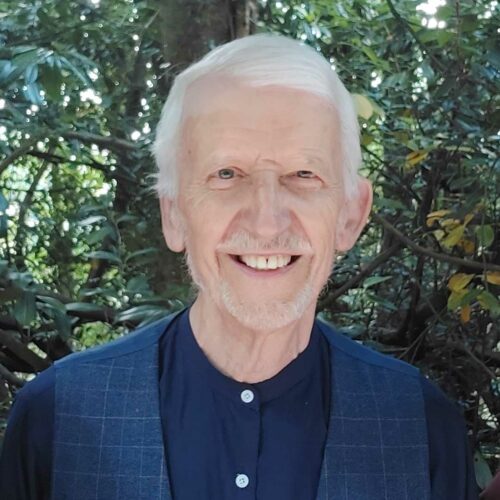
If we start with the understanding that everyone is living by vow, how can we examine what vows we are following and change to follow the ones that lead to liberation?
Discover more from the Dharma Library
-

Gladness of the Wholesome: The Buddha’s Teaching on Awakening Joy
Recorded :
January 15, 2023 The Buddha was known as The Happy One. Though Joy is one of the Seven Factors of Awakening, with so much emphasis on working with suffering, joy can sometimes seem frivolous or unspiritual. His teaching on attending to the ‘Gladness Connected with the Wholesome’ is a key aspect of Wise Effort and developing a loving heart. We will practice and explore together this foundation for awakening joy.
-
The 9 Contemplations of Death – Feeling Safe with Impermanence
Recorded :
November 16, 2025 In this talk and guided meditation, we turn toward the reality of impermanence with mindfulness and compassion. The Buddhist “Nine Contemplations of Death” invite us to meet our fear and denial with gentleness and honesty, remembering what truly matters. Rather than morbid, this reflection is a doorway into freedom—supporting us to live with integrity, presence,…
-
Daily Meditation Recordings, with Martin Aylward – Week of October 19, 2020
We’re fortunate that Martin Aylward has generously offered to lead our daily meditation sessions for Europe and the UK this week. To find out more about Martin, and view his other recordings on the platform, click here.
-
Five tenets of a whole life path
Recorded :
November 19, 2017 Many long for a way to “integrate” their Buddhist practice with what is often called “the rest of my life.” This often fails. Doesn’t integration refer to separate things that must be brought together? In this talk, Gregory offers what he calls the Five Tenets of a Whole Life Path, a practical, yet demanding, way…
-
Compassion and equanimity – facing challenges in difficult times
Recorded :
September 4, 2017 Worldwide Insight talk from Joseph Goldstein: “Compassion and Equanimity – Facing Challenges in Difficult Times”. Guided meditation, Dharma talk and Q&A.
-
Daily Meditation Recordings, with Ulla Koenig – Week of Oct 17, 2022
This week’s topic is “A Peaceful Mind”. Thoughts are our continuous companions. While some are harmless, others have a deep impact on us: not only do they shape perceptions, but they also influence our physical and mental well-being. In our darkest hours, we might feel the pain of negative, depressing or restless thought patterns. Shaken by their invasive nature, we often wish for a rest from the never-ending chatter. We dedicate the upcoming week to an exploration into the realm of thoughts and skilful practice.
-
Daily Meditation Recordings, with Christopher Titmuss – Week of 09 December, 2024
We’re delighted to have Christopher Titmuss guiding our Daily Meditation sessions this week. May they support and deepen your practice.
This week’s theme is: Liberation Of The Heart
Join Christopher Titmuss for a week exploring the Brahma Viharas – the Immeasurable Ways of Being.
The Brahma Viharas, traditionally known as Divine Abidings, point to something boundless in our human experience. While Brahma literally means “God,” its deeper root meaning is “Immeasurable.” The Buddha taught four specific ways to dwell in this immeasurable space: through radical love, compassion, appreciative joy, and equanimity.
Over five morning sessions, Christopher will offer an overview of these teachings and explore each of these profound ways of abiding. By radical, we mean getting to the very root of what matters most.
Whether you come with an open heart or a closed one, whether you’re new to meditation or a seasoned practitioner – all are welcome to join these transformative sessions.
Our Dharma Library thrives through collective generosity. Your donation helps sustain this offering for our entire community.
-
Daily Meditation Recordings, with Ulla Koenig – Week of June 17, 2024
This week’s theme is “Preparing the Heart and Mind”. In Buddhist practice we often hear we should let go. And often enough we would really like to let go of those thoughts, impulses, moods and contractions which keep us agitated and in unease. But letting go is rarely something we decide to do; and neither is holding on. In the upcoming week we will explore why the heart-mind holds on to something and how we can prepare, nourish and soothe it, so that letting go becomes a natural process, not a willful command.