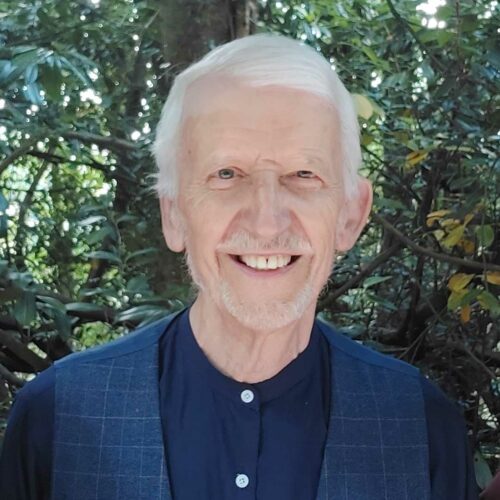
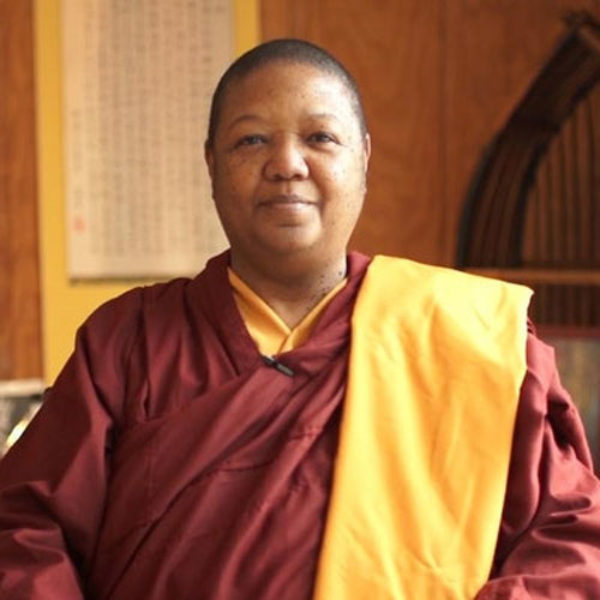
What effect does it have if we practice mindfulness and meditation motivated by the fundamental assumption that there is something wrong with us? Perspectives such as ‘not being good enough’ or being ‘damaged goods’ can turn our practice into a painstaking attempt to improve ourselves. During this session we will inquire into our motivations for practice and suggest some alternative perspectives which can offer a sense of freedom, peace of mind and acceptance.
Discover more from the Dharma Library
-

Daily Meditation Recordings, with Nathan Glyde – Week of July 18, 2022
This week’s topic is Perfectly Imperfect. “True perfection seems imperfect, yet is perfectly itself.” – Lao Tzu. Expecting life to be perfect is stressful: a beautiful goal like “getting it right” prevents us from developing when it morphs into “never getting anything wrong.” The non-harming noble-truths path of the Dharma may arouse perfectionism, but if carefully followed, can set us free from such entrapment.
-
Daily Meditation Recordings, with Jaya Rudgard – Week of November 16, 2020
We’re fortunate that Jaya Rudgard has generously offered to lead our daily meditation sessions for Europe and the UK. To find out more about Jaya, click here.
-
Embracing Uncertainty – Practice During Crisis
Recorded :
April 19, 2020 “The truth is that you will never be absolutely safe. All things change constantly, even what is most precious. This is the angst of life, the price of being a conscious human being.” – Phillip Moffitt As a spiritual practitioner, you learn to see and accept “uncertainty” as a fact of life – even during…
-
Daily Meditation Recordings, with Jaya Rudgard – Week of July 24, 2023
This week’s theme is “Meditations on the Five Great Elements of Nature”. The five elements or energetic properties of nature (earth, water, fire, wind and space) feature frequently in the Buddha’s teaching and are a wonderful support for meditation and insight. This week we will practice with these elements as skilful means for contemplating body and world, and for cultivating the mind.
-
Daily Meditation Recordings, with Christopher Titmuss – Week of 17 February, 2025
We’re delighted to have Christopher Titmuss guiding our Daily Meditation sessions this week. May they support and deepen your practice.
This week’s theme is: Deep Psychology Of Karma
Join us as we explore the Buddha’s profound teachings on karma (kamma in Pali), a central aspect of Buddhist teaching that’s often misunderstood or overlooked. Christopher will guide us in examining karma not through abstract theory, but through our own direct experience and practice.
Together, we’ll investigate the intimate connection between our intentions, actions, and their results – both in meditation and daily life. We’ll look deeply into what creates binding patterns of karma, both wholesome and unwholesome, and discover what actions can free us from these patterns altogether.
Our Dharma Library thrives through collective generosity. Your donation helps sustain this offering for our entire community.
-
Breathe! Delight in Meditation
Recorded :
April 14, 2019 How can we delight in our meditation? Learning to bring loving awareness to the breath, feeling the ebb and flow in real time as we sit quietly, is an art. The key is in our approach. Sometimes in practicing mindfulness of breathing, there can be an over-emphasis or insistence on focusing attention that drives delight…
-
The Art of Savoring
Recorded :
November 23, 2025 In the practice of meditation, we are often focused on the task of getting to the cushion and paying attention, but how much of this task are we actually enjoying? To really enjoy ourselves in meditation, we need a practice that goes beyond attention and mindfulness alone. We need to find joy in the micro…
-
Emptiness: Surmounting the Limitations of the Intellect
Recorded :
February 11, 2024 The Suttas, Sutras and Shastras tell us that we can dislodge and extinguish what the deluded mind has created. There is a common thread through them all… we should realize the emptiness of all conditioned phenomenon. Let’s step into this discussion together to look deeper into the mind that realizes emptiness as the gateway to…