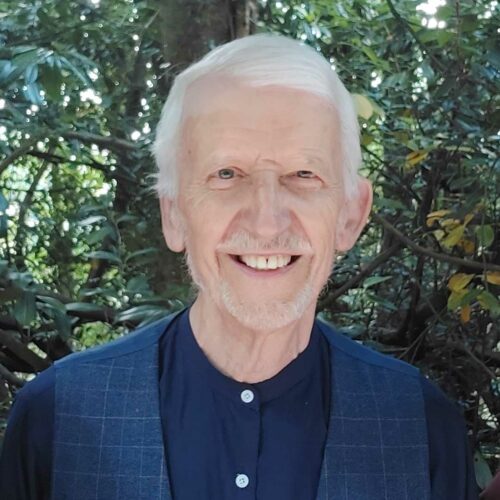
There is a growing tendency to imply or assume that all suffering is self-created. This is a naïve, even dangerous, view, removed from the middle way. The view ignores the teachings of non-self and the emptiness of self. Does self-inquiry, self-acceptance, self-compassion, self-interest and promotion of the Self promote self-indulgence? Is it any wonder that the corporate world promotes mindfulness? Join Christopher for an exploration of these questions.
Discover more from the Dharma Library
-

Daily Meditation Recordings, with Martin Aylward – Week of Feb 6 – 10, 2023
Daily meditations with Martin Aylward.
-
The Happiness of Emptiness
Recorded :
January 21, 2024 Exploration of ultimate teachings requires listening, reflection/meditation rather than sitting to wait for an experience. Emptiness does not require experiences. The ultimate reveals the emptiness of self, ego, I and my – including self interest, self help and self compassion. This session will explore the contractions forming self and the way our minds have become…
-
Transforming the poisons.
Recorded :
October 4, 2015 Buddha points out the three main ways we get pulled into activity and self-contraction – Greed, Hatred and Delusion – which Martin often translates as Desire, Defense and Distraction. This class explores creative ways of meeting these forces in everyday life, and explores powerful reflections for each of the three.
-
Beyond Mindfulness: The Fullness of Insight Meditation
Recorded :
June 13, 2021 Mindfulness is the engine of meditation practice, and it tends to get all the press. But is mindfulness sufficient to transform our hearts, minds and lives? In this session, we’ll explore some of the other qualities and cultivations that are essential to deep on the spiritual path.
-
Daily Meditation Recordings, with Ulla Koenig – Week of October 23, 2023
This week’s theme is “Touched by Dukkha”. Living life involves being in touch with various experiences, some of which are challenging. These challenging experiences, referred to as ‘dukkha’ by the Buddha, inevitably stir the heart-mind. Our sensitive nature is touched by dukkha, manifesting in ripple effects like impulses, emotions, and thoughts. This week, we’ll explore together what the Buddha called the second noble truth, to understand how our reactions and responses to dukkha shape our lives.
-
Daily Meditation Recordings, with Jaya Rudgard – Week of November 7, 2022
This week’s theme is A Gentle and Playful Heart”. A week of morning meditations orienting to the qualities of playfulness and gentleness. When we neither meet ourselves or each other with harshness nor take ourselves too seriously, we find a genuine inner strength. Whether we feel we have lots of energy and motivation for practice, or little, exploring these qualities will refresh the heart and mind and support us in meeting the challenges of our week.
-
Daily Meditation Recordings, with Caverly Morgan – Week of June 1
We’re very grateful to have Caverly Morgan hosting our Daily Meditation Series for North America. To find out more about Caverly, and to view her past recordings and contributions to Sangha Live, click here. Monday, June 1 Collective CARE and addressing whiteness Wednesday, June 3 Grounding and releasing “shoulds” Friday, June 5 Honoring the song…
-
Clarity, Presence and Love: Both on and off the Cushion
Recorded :
October 19, 2025 How to meet the world’s joys and crises, alongside our deepening practice? Learn from the examples of Buddhist teachers and activists who engage with the world and create change from the presence, clarity and love of a dedicated dharma practice. Portraits of people and organisations:Dr A. T. Ariyaratne (1931 – 2024) and the Sarvodaya movementJoe…






Discussion