Use code SUMMERPRACTICE for a 25% discount on all On Demand Courses through August 31.

The Dharma on the front lines: how to work with conflict.

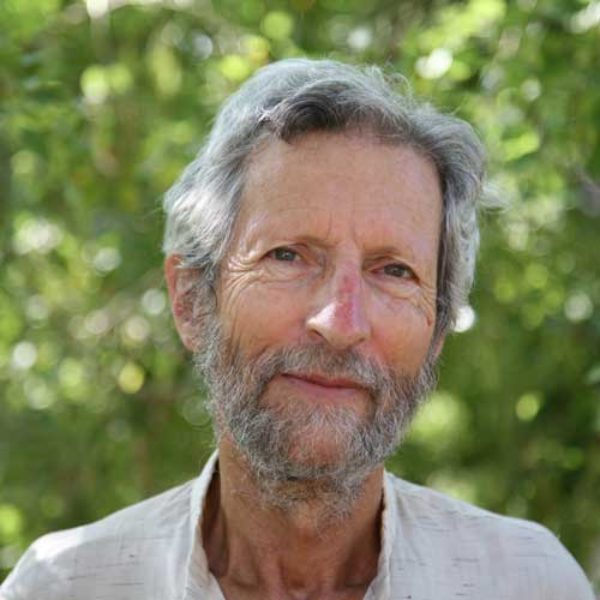
With Stephen Fulder recorded on February 26, 2017.

Found our teachings useful? Help us continue our work and support your teachers with a donation. Here’s how.

Peace sometimes feels impossible to find. It is there for a while then something happens and conflict or friction returns. It may be conflict with ourselves, in relationships to people close to us, at our work place, or between social groups. Often we can feel despaired that despite much dharma practice and meditation, conflict keeps arising. Further, we are living at a time when conflict and insecurity are on the rise, and we need new ways of dealing with it. Those of us who are active socially often find that it is an exhausting and endless struggle for which we do not have the strength and persistence.

Practices and teachings derived from Buddhism, the dharma, offer a deep understanding of how conflict or peace arises in us and others, how it is sustained and how it can be dissolved. Stephen has been using these ways in leading peace work in the Middle East for many years.


Listen to the audio version below, or click here to download the mp3.

Discussion

Leave a Reply

Discover more from the Dharma Library

  • The Spectrum of Sensuality – Where do I stand?

    The extremes of addiction to sense pleasure and addiction to self-mortification are not the path to happiness. The spectrum of human sensuality spans from pleasure to pain, pleasant to unpleasant, from hedonic excesses to self-harm, encompassing a vast range that is likely different for everyone. What is considered the Middle Way for a monastic might…

    Read More

  • Embracing the Radical Act of Rest

    In times of global challenges and uncertainty, we often respond with fear-driven action, guilt, or survival mode. Yet the simple act of resting offers a powerful path to liberation. By connecting with our bodies and trusting the ground beneath us, we cultivate ease that naturally supports the awakened mind. When we act from deep rest,…

    Read More

  • photo of Martin Aylward smiling

    Vast View, Fine Attention

    In this session, Martin explores the apparent paradox of a vast view combined with a fine attention, along with practices to bring both into focus. How do we hold both simultaneously? How can we be responsive, without feeling responsible? How might we bring both a vast view and a fine attention to both our inner…

    Read More

  • Deborah Eden Tull - Senior Dharma Teacher

    Endarkenment: Embracing the Medicine of Light and Dark

    As we enter the darker months of the year, consider the profound restoration and healing that darkness offers us— both physically and symbolically. Darkness is often considered the absence of light, but it is actually a vital and regenerative essence of nature and consciousness. This session is an experiential exploration of the interplay of light…

    Read More

  • Muditā: Appreciative Joy

    Of the four traditional heart qualities in Buddhism, appreciative joy – muditā – gets less attention than lovingkindness (mettā), compassion (karuṇā), or equanimity (upekkhā). But the cultivation of sincere joy at the success of another greatly enriches our well-being and happiness. We will explore this powerful form of joy together, as well as what blocks…

    Read More