Martin Aylward
We’re fortunate that Martin Aylward has generously offered to lead our daily meditation sessions for Europe and the UK. To find out more about Martin, and to view his other contributions to Sangha Live, click here.

We’re fortunate that Martin Aylward has generously offered to lead our daily meditation sessions for Europe and the UK. To find out more about Martin, and to view his other contributions to Sangha Live, click here.
Today’s chant: Sabbe ko mangal hai
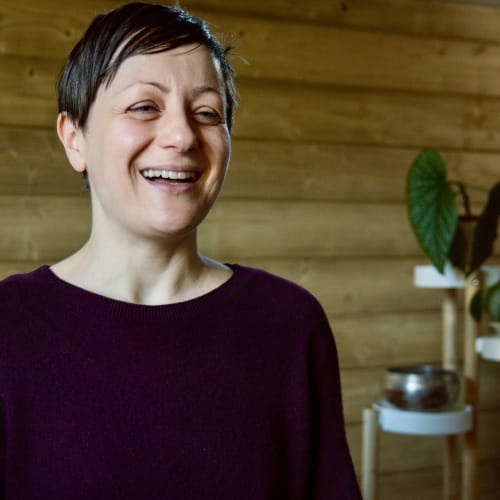
This week’s theme is “Comfort and Discomfort”. Comfort and discomfort can show up in practice, as well as in life. In what ways are they interwoven? What assumptions do we make about them that might hold us back from fully engaging? We’ll explore these ideas through meditation and contemplation, to see what can be learned – and liberated – in support of living and practising more freely and fully.
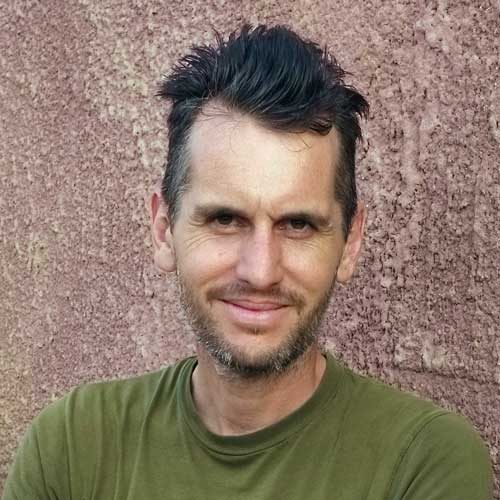
We’re delighted to have Nathan Glyde guiding our Daily Meditation sessions this week. May they support and enrich your practice.
This week’s theme is: It’s Like This, Right Now
Acceptance must be applied wisely to lead to liberating awakening. We accept “it’s like this, right now”, but we don’t stop there. We also acknowledge that “this” is subject to changeable conditions, and we accept the opportunity to contribute to freedom.
Our Dharma Library thrives through collective generosity. Your donation helps sustain this offering for our entire community.
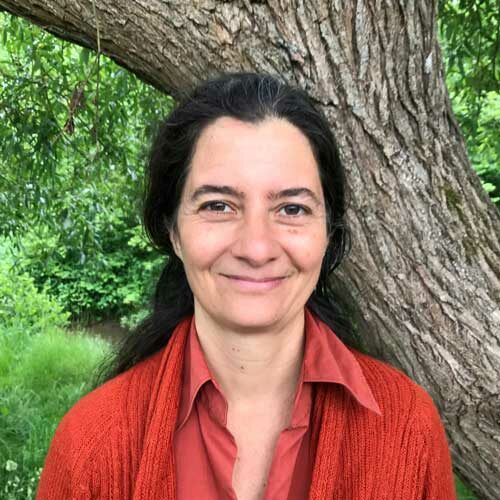
This week’s topic is “Nourishing Intention”. Intention plays a key role in meditation practice, as well as in many areas of our lives. During this week of practice we will explore what supports the setting of wholesome intentions, and what supports sustaining them in ways that nourish well-being for ourselves, others and the world.

Recorded :
If there is one practice that defines the quality of the Buddha’s teachings, it is right view. This is a wisdom path. Right view is the beginning and ending of the path. Right view comes first among the eight path factors because it is needed for the entire path. Right view can be described as…
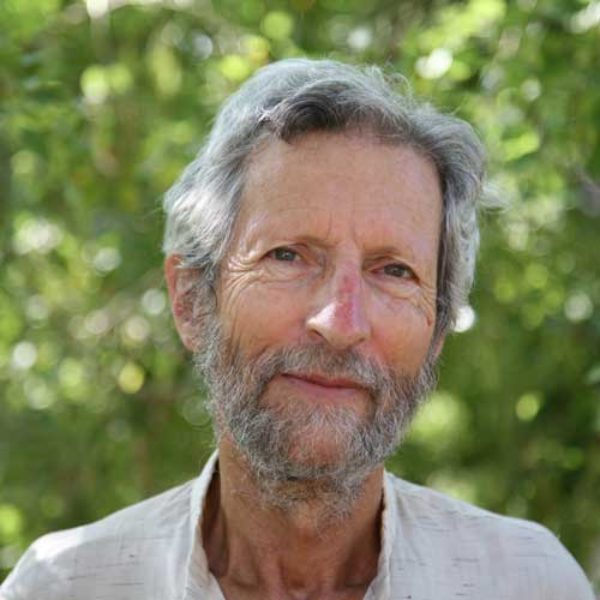
Recorded :
We are going through difficult and uncertain times and we long for relief. There is much we can do to help ourselves and our community. Yet this can also include accessing a more transcendent perspective, in which we take the pains of samsara less personally. Nondual dharma invites us to see life as perfect just…

Recorded :
Worldwide Insight talk from Shaila Catherine: “Overcoming Obstacles”. Guided meditation, Dharma talk and Q&A.
Recorded :
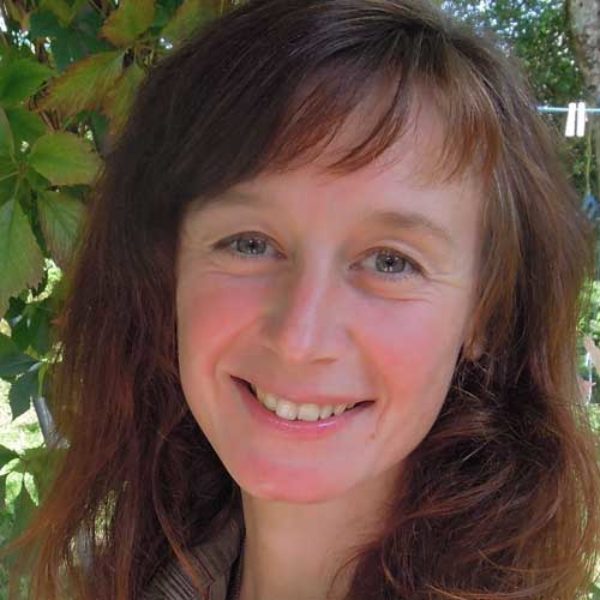
Worldwide Insight talk from Christelle Bonneau: “Adapting Meditation Practice to Activities in Daily Life”. Guided meditation, Dharma talk and Q&A.
Recorded :
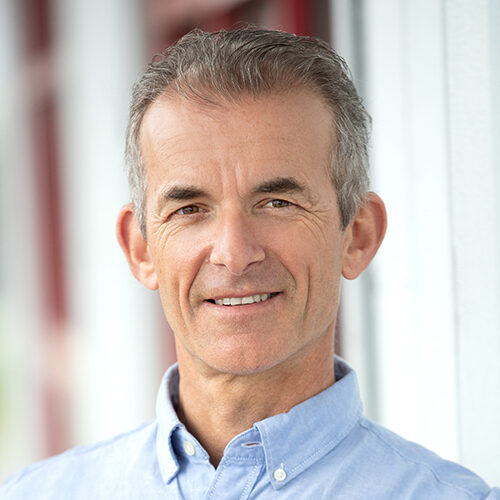
Worldwide Insight talk from Mark Coleman: “Awake in the Wild – Meditation in Nature as a Path to Awakening”. Guided meditation, Dharma talk and Q&A.