Caverly Morgan
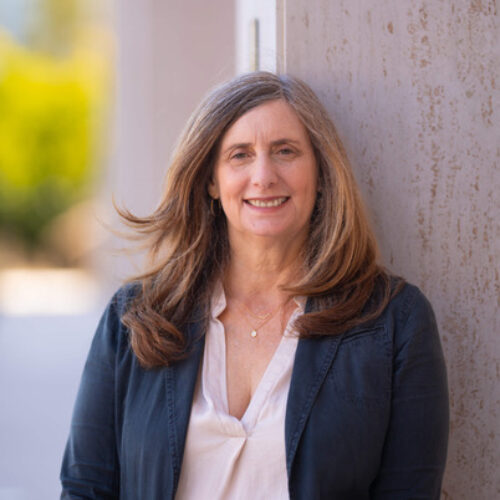
We’re very grateful to have Caverly Morgan hosting our Daily Meditation Series for North America. To find out more about Caverly, and to view her past recordings and contributions to Sangha Live, click here.

We’re very grateful to have Caverly Morgan hosting our Daily Meditation Series for North America. To find out more about Caverly, and to view her past recordings and contributions to Sangha Live, click here.
Recorded :
So many of us struggle with self-hatred and self-judgment. Self-compassion is so deeply needed in these times, and brings together mindfulness, loving kindness practices, and a recognition of our shared humanity. This session explores the cultivation of this core set of practices.

Recorded :
Dharma practice encourages us to transform our thoughts, words and actions. The primary mechanism for how this is accomplished is vague. What often goes unnoticed is that the use of the term mind has undergone a radical psychologization from the time of the Buddha into present day. During this session we will explore the many nuances of…
This week’s topic is “All We All Need”. Meditation can be compared to an artist’s studio or an experimenter’s laboratory where we create what is necessary for well-being: connection, kindness, peace… What a wonderful blessing! Moreover, this is not just a gift we give to ourselves. Because of interdependence, we also provide what is essential for all beings.
This week’s theme is: Release First. If Not, Then Explore Renewal.
Release means liberation, such as person released from prison. Confinement to problemetic history has finally come to an end. Our being knows a full engagement with life. With release, renewal comes naturally, such as entering deep sleep and waking up with renewed energy. Practice includes exploration of renewal while a transcendent view gives primary interest to release.
Our Dharma Library thrives through collective generosity. Your donation helps sustain this offering for our entire community.

Recorded :
For many people, the natural world is a perennial place of refuge, resource and replenishment. It can be a profound support for bringing awareness into the outdoors. Yet, nature is under increasingly under siege. During this session we’ll explore how we can still take refuge in the natural world as a support for our well-being,…

Recorded :
On autopilot, our mind often resists opening to joy with: “But right now in my life, there is …” So we explore what stands in our way of the unexpected ordinariness of joy. We’ll discover how the awakening factor of meditative joy (piti) illuminates our capacity to open to delight and rapture, allowing our hearts…

We are delighted to have Ulla Koenig guiding our Daily Meditation sessions this week. May these offerings support and enrich your practice.
This week’s theme is: Touching Ground
Whether it is the dynamics of the world that stir our hearts and minds, or personal challenges, as human beings we are confronted in many ways with the fragility of life. Touching ground, finding something to orient and trust in, is a deep need and yet not an easy endeavor. We dedicate this week to exploring the idea of taking refuge and translating it into a meaningful act that we can participate in no matter what.
Our Dharma Library thrives through collective generosity. Your donation helps sustain this offering for our entire community.

Recorded :
Softness and spaciousness can be cultivated and called upon when needed.The sensations of softness are reflective of ease and equanimity – the feeling of spaciousness, reflective of non-clinging. Both create a natural letting go, flow and arising of love, kindness and tenderness.Embodiment offers a broad range of skillful means. We’ll invite these qualities and directly…