Caverly Morgan
We’re very grateful to have Caverly Morgan hosting our Daily Meditation Series for North America. To find out more about Caverly, and to view her past recordings and contributions to Sangha Live, click here.

We’re very grateful to have Caverly Morgan hosting our Daily Meditation Series for North America. To find out more about Caverly, and to view her past recordings and contributions to Sangha Live, click here.

Daily meditations with Martin Aylward.

Recorded :
When our physical energy feels restless or flat, it becomes harder to meet our inner experience with care and attention. This is why embodied practices such as qigong and mindful breathing are valuable: they help settle our body, making it far easier for our heart to find a steadier, more skillful unfolding. Please join this…
We’re delighted to have Martin Aylward leading our Daily Meditation sessions this week. May these sessions support and deepen your practice.
This week’s theme is:

This week’s theme is A Gentle and Playful Heart”. A week of morning meditations orienting to the qualities of playfulness and gentleness. When we neither meet ourselves or each other with harshness nor take ourselves too seriously, we find a genuine inner strength. Whether we feel we have lots of energy and motivation for practice, or little, exploring these qualities will refresh the heart and mind and support us in meeting the challenges of our week.

Recorded :
With Earth Day here, James reflects on the preciousness and generosity of our wonderful planet, the current situation of climate change and how our Dharma practice can help us transform despair into meaningful and inspiring action.

Recorded :
Right Effort is a jewel within a jewel. We investigate the Four Right Exertions that fuel Right Effort and the Hindrances that attempt to derail our intention. You will gain insight into why the Buddha referenced Right Effort as one of his eight precious disciples, which is a daily chant in the monasteries.
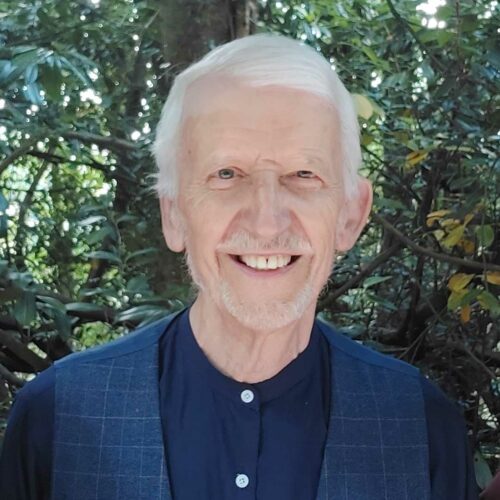
We are grateful to have Christopher Titmuss guiding our Daily Meditation sessions this week. May these sessions support and deepen your practice.
This week’s theme is: Each Moment, New Moment
A week of practice to begin the year, with reflections on beginnings, commitments and a free attitude to life.
Our Dharma Library thrives through collective generosity. Your donation helps sustain this offering for our entire community.
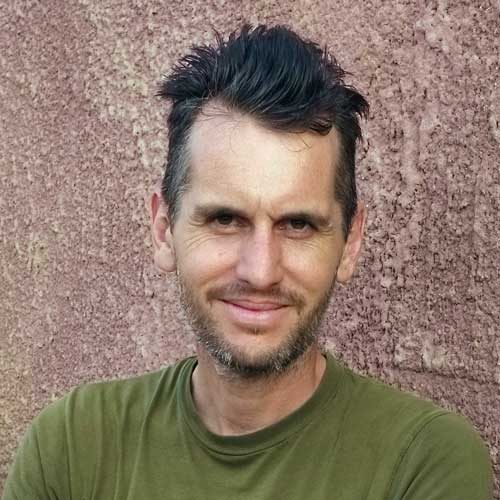
This week’s topic is The Freedom of an Unassuming Mind.
The Buddha used the image of a tangled and knotted thread to represent the complex roots of human suffering and distress. It takes sensitivity, persistence, and care to disentangle the tangle of ‘dukkha’. A tricky part of this is that our assumptions about the world radically shape the way the world appears, while remaining quite hidden to us. Fortunately, wisdom teachings and practices bring assumptions into view and support the untying of these unseen knots, opening us into a wide and free existence.