In the best of circumstances the path of life is a bumpy road. The practice of embodied presence opens the possibility to understand and transform our habits of dissatisfaction and distraction, and invites spaciousness and openness in our day-to-day lives. Becoming intimate, moment by moment, with living reality may expand our life-perspective and attune us to what really matters in life. In this session we explore how we can establish the practice of mind-heart-body fullness and incline our being towards the natural capacity for peace.
Discover more from the Dharma Library
-

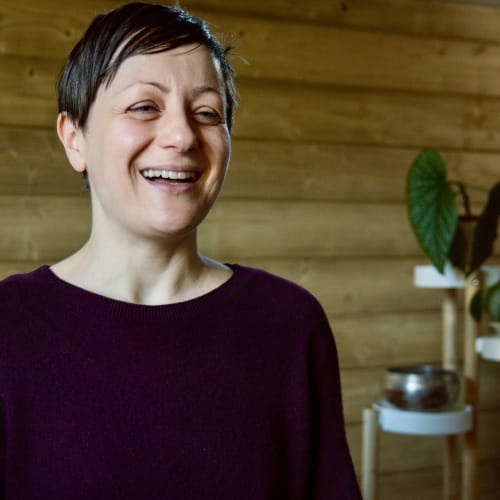
Daily Meditation Recordings, with Milla Gregor – Week of July 22, 2024
This week’s theme is “Comfort and Discomfort”. Comfort and discomfort can show up in practice, as well as in life. In what ways are they interwoven? What assumptions do we make about them that might hold us back from fully engaging? We’ll explore these ideas through meditation and contemplation, to see what can be learned – and liberated – in support of living and practising more freely and fully.
-
The Spectrum of Sensuality – Where do I stand?
Recorded :
October 13, 2024 The extremes of addiction to sense pleasure and addiction to self-mortification are not the path to happiness. The spectrum of human sensuality spans from pleasure to pain, pleasant to unpleasant, from hedonic excesses to self-harm, encompassing a vast range that is likely different for everyone. What is considered the Middle Way for a monastic might…
-
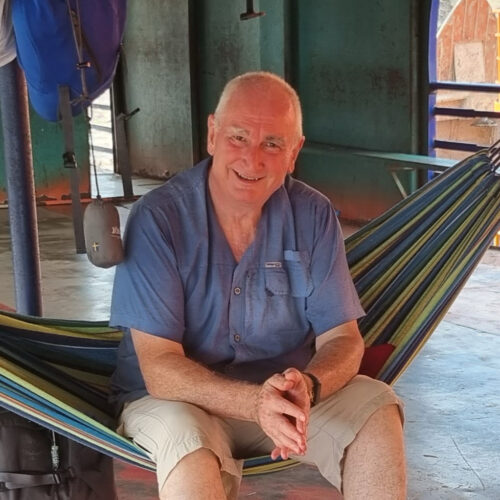
Daily Meditation Recordings, with Martin Aylward – Week of May 15 – 19, 2023
Daily meditations with Martin Aylward.
-
Sangha: You Are Not Alone!
Recorded :
March 16, 2025 The Buddha’s insight that all things arise dependent on something else points to a universe in ongoing relational flow. When experienced directly, we know this flow to be love. Together we will open to receive the many ways we are touched by life through our connections to each other and the Earth, our ancestors and…
-
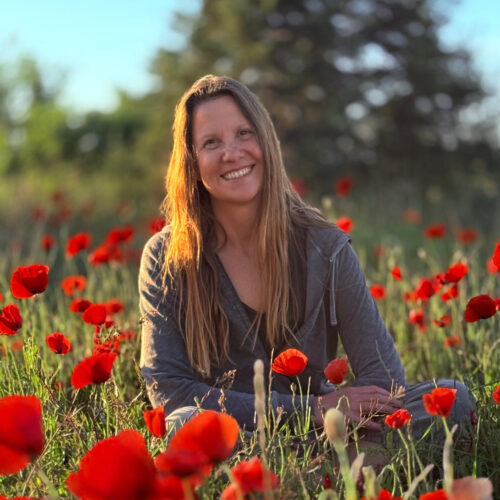
Daily Meditation Recordings, with Leela Sarti – Week of 24 March, 2025
We’re delighted to have Leela Sarti guiding our Daily Meditation sessions this week. May these sessions support and deepen your practice.
This week’s theme is: Entering the Timeless
We often live caught in a charged and time bound perspective: I need to use my time! I don’t have enough time! time is running out! But as human beings we can also re-discover that time is malleable and through practice, the act of sacred awareness, relax into a sense of no time, deep time and all time.
Our Dharma Library thrives through collective generosity. Your donation helps sustain this offering for our entire community.
-
Vast View, Fine Attention
Recorded :
December 16, 2018 In this session, Martin explores the apparent paradox of a vast view combined with a fine attention, along with practices to bring both into focus. How do we hold both simultaneously? How can we be responsive, without feeling responsible? How might we bring both a vast view and a fine attention to both our inner…
-
The Surgeon’s Probe: Healing with Mindfulness
Recorded :
December 2, 2018 Vince writes: “I am continuously inspired by some of the images that the Buddha offers us of ‘Sati’ or ‘Mindfulness’. This talk for Worldwide Insight is an exploration of some the many aspects of mindfulness – or in my case a lack of mindfulness – that continue to play themselves out in my life. In…
-
Daily Meditation Recordings, with Nirmala Werner – Week of 17 March, 2025
We are delighted to have Nirmala Werner guiding our Daily Meditation sessions this week. This week’s theme is: Sacred Body, Sacred Path: Feminine Principles on the Spiritual Journey. This week, we explore the profound role of the feminine principle on the spiritual journey in Buddhism. We will engage in embodied practices, examining the qualities of the elements and nature, while opening ourselves to what truly serves us on our path to awakening. Where does our practice lead us when we open to an embrace of life, seeing all experience as sacred?



Discussion