Use code SUMMERPRACTICE for a 25% discount on all On Demand Courses through August 31.

Wild Awake: The Wisdom of Nature

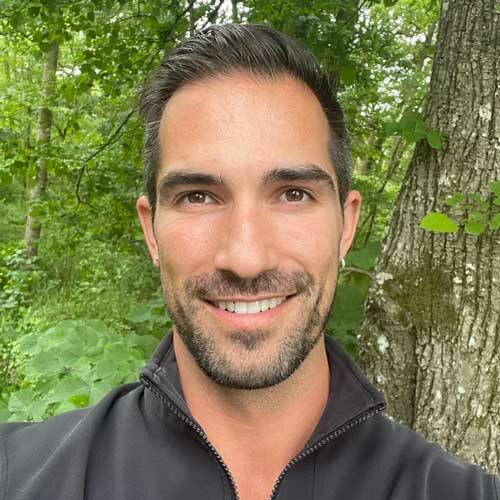
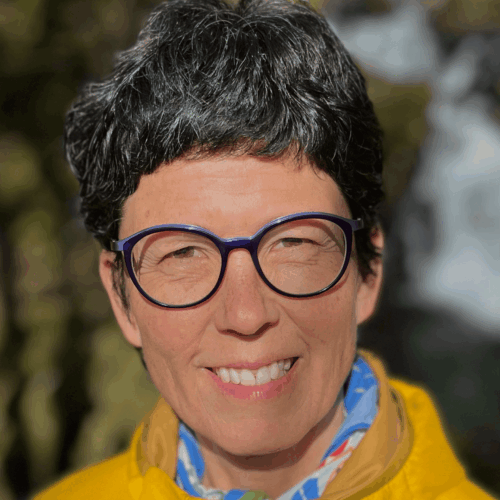
With Brian Dean Williams recorded on July 1, 2018.

Found our teachings useful? Help us continue our work and support your teachers with a donation. Here’s how.

In the story of the Buddha, he awakened in the forest, taught in the forest, died in the forest. Nature played an important role in the Buddha’s awakening. Many Buddhist practice communities have been in close connection with nature. What role might it play in our practice here in the modern world?

In this session Brian discusses our relationship with the natural world, and what this might mean for our practice.
Listen to the audio version below, or click here to download the mp3.

Discussion

Leave a Reply

Discover more from the Dharma Library

  • James Baraz

    The Choice is Ours: Wise Relationship to Our Experience

    These pandemic times with isolation, suffering, social and political divisiveness and an uncertain future our lives are filled with even more challenges than usual. At the same time many hearts are opening with increased compassion, connection and possibilities on the horizon. The mind can easily get contracted by the stress or grasping at hope. But…

    Read More

  • A Relational Dhamma

    If humans are intrinsically relational creatures, how do we integrate this understanding with the Buddha’s teachings on suffering and its cessation? Relational suffering and craving? Dependent origination? In this session, we explore the power and necessity of a relational understanding of the Buddha’s teachings. We discuss and practice relational aspects of the path, including the…

    Read More

  • Mindful Intentions: From Pressure to Growth

    What effect does it have if we practice mindfulness and meditation motivated by the fundamental assumption that there is something wrong with us? Perspectives such as ‘not being good enough’ or being ‘damaged goods’ can turn our practice into a painstaking attempt to improve ourselves. During this session we will inquire into our motivations for…

    Read More

  • Vimalasara Mason-John

    When did you stop breathing?

    We could say that the Buddha was teaching us to breath again. It’s said that the prince Siddhartha was sitting under a Bodhi tree, practicing the anapanasati (the mindfulness of breathing) when he gained enlightenment and became awake, a Buddha. He was aware of the whole experience of breathing. Through breathing he trained the mind…

    Read More

  • JD Doyle

    Practicing the Middle Way: Navigating Between Extremes

    The Buddha invites us to travel the Middle Path, between extremes. How do we navigate this path that leads to knowledge, understanding and liberation? We practice with mindfulness and kindness to meet our day to day experiences and our conditioning: societal, familial, cultural, and historical. Inviting in curiosity and diligence, we learn to practice to…

    Read More

  • Deborah Eden Tull - Senior Dharma Teacher

    Mindful Inquiry: A Path of Freedom and Joyful Responsibility

    Mindful Inquiry is the path of asking the question that points to freedom. This practice can support even long-time practitioners to find more relief from suffering and clarity about the ever-present wholeness of True Nature. A good teacher can point the way, but it is up to each of us to take responsibility for our…

    Read More

  • The Spectrum of Sensuality – Where do I stand?

    The extremes of addiction to sense pleasure and addiction to self-mortification are not the path to happiness. The spectrum of human sensuality spans from pleasure to pain, pleasant to unpleasant, from hedonic excesses to self-harm, encompassing a vast range that is likely different for everyone. What is considered the Middle Way for a monastic might…

    Read More