Martin Aylward
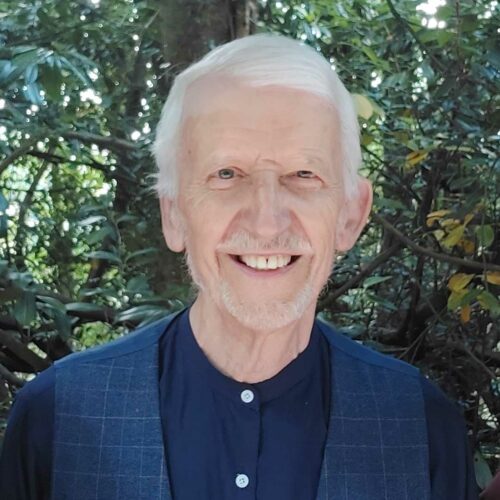
We’re fortunate that Martin Aylward has generously offered to lead our daily meditation sessions for Europe and the UK. To find out more about Martin, and to view his other contributions to Sangha Live, click here.

We’re fortunate that Martin Aylward has generously offered to lead our daily meditation sessions for Europe and the UK. To find out more about Martin, and to view his other contributions to Sangha Live, click here.
Recorded :
We find ourselves concerned with the state of the world yet we do not live in one world. Our inner world reveals significant differences from the outer world. The outer world offers a variety of impressions to people. It is not unusual to claim we live in different worlds. The one world view seems to…

Recorded :
Similar to the phases of the moon, our spiritual practice is full of natural rhythms and seasons. In this session we will learn a simple chart, called the phases of insight, that supports recognizing what can unfold at various points in meditation. By learning these patterns we can open our hearts with more confidence, and attune to…

Recorded :
In this talk, we explore anger, resentment, jealousy, and other difficult emotions – learning how to see clearly and meet anger with true love and acceptance. We explore our misunderstandings about anger and learn how to cultivate the compassionate presence that offers a vast and courageous expression of love. Compassion’s perception of anger is more…

Recorded :
Racism and cultural identity have indiscriminately been seeded into human consciousness since the beginning of humanity. The health of any community begins with the Sense of Self. This Dharma assembly will focus on our sense of self as we investigate consciousness using the Noble Truths for Awakening. Millions have followed this path of practice for millennia.

Recorded :
In this session, we explore how our relationships are the very path of awakening and how we can show up fully in our interactions with others, especially those we find challenging. People we find difficult can teach us a great deal and we learn ways to practice with these painful relationships to profit from their…

Recorded :
Worldwide Insight talk from Phillip Moffit: “Exploration of the Four Noble Truths”. Guided meditation, Dharma talk and Q&A.

In this week of practice, we will follow the Buddha’s advice to tune into the oneness of our existence and the five elements: earth, air, water, fire, and space. Practising in this way can nourish a sense of groundedness, freedom, and belonging-while opening pathways to collectedness, joy, and insight.

Recorded :
In this session we’ll explore opening to the practices of vastness of awareness. Through listening and sensing we will open up to a sense of spaciousness and explore letting go within it.