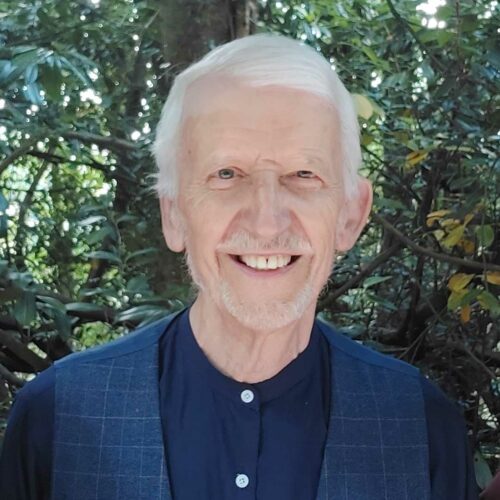
There is a big emphasis in our society on doing good and being right. But rather than trying harder, being perfect and becoming a “better person” what about embracing ourselves just as we are, with all of our emotions — with our light, and with our shadow? In this talk we explore an all-inclusive approach to meditation and discover how we can bring the Noble Path of the Buddha into our daily lives.
Discover more from the Dharma Library
-

Buddha’s toolbox: a spectrum of skilful means.
Recorded :
June 28, 2015 In this class we explore the various ways to diffuse difficult emotions, see through mental patterns, re-direct our attention, and understand the nature of experience.
-
Daily Meditation Recordings, with Kaira Jewel Lingo – Week of October 12, 2020
We’re fortunate that Martin Aylward has generously offered to lead our daily meditation sessions for Europe and the UK this week. To find out more about Martin, and view his other recordings on the platform, click here.
-
Gladness of the Wholesome: The Buddha’s Teaching on Awakening Joy
Recorded :
January 15, 2023 The Buddha was known as The Happy One. Though Joy is one of the Seven Factors of Awakening, with so much emphasis on working with suffering, joy can sometimes seem frivolous or unspiritual. His teaching on attending to the ‘Gladness Connected with the Wholesome’ is a key aspect of Wise Effort and developing a loving heart. We will practice and explore together this foundation for awakening joy.
-
Becoming Content with Emptiness and Voidness
Recorded :
June 28, 2026 Shaila Catherine asks “Will nothing be enough?” as she explores how identification with our experience can create discontent with the basic fact that matter and mind is empty of self. Mindfulness will not demolish ego; instead, we mindfully recognize…
-
Wisdom and Heart Together
Recorded :
July 27, 2025 The connection between wisdom (paññā) and the heart qualities, such as goodwill (mettā) and compassion (karunā), can be a delightful discovery in Buddhist practice. The clear, nonjudgmental awareness of wisdom can feel like warmth, inclusion, and safety when fully received. In turn, the truly open heart is free of the distortions of ill will and…
-
Daily Meditation Recordings, with Christopher Titmuss – Week of 09 December, 2024
We’re delighted to have Christopher Titmuss guiding our Daily Meditation sessions this week. May they support and deepen your practice.
This week’s theme is: Liberation Of The Heart
Join Christopher Titmuss for a week exploring the Brahma Viharas – the Immeasurable Ways of Being.
The Brahma Viharas, traditionally known as Divine Abidings, point to something boundless in our human experience. While Brahma literally means “God,” its deeper root meaning is “Immeasurable.” The Buddha taught four specific ways to dwell in this immeasurable space: through radical love, compassion, appreciative joy, and equanimity.
Over five morning sessions, Christopher will offer an overview of these teachings and explore each of these profound ways of abiding. By radical, we mean getting to the very root of what matters most.
Whether you come with an open heart or a closed one, whether you’re new to meditation or a seasoned practitioner – all are welcome to join these transformative sessions.
Our Dharma Library thrives through collective generosity. Your donation helps sustain this offering for our entire community.
-
Genuine Happiness: An Alternative Perspective
Recorded :
March 10, 2024 So much of what we hear and learn about within Dharma practice places an arguably unnecessary emphasis on suffering (dukkha). While the acceptance of suffering (dukkha) is an important and essential aspect of the path, it is by no means the end of the story. In one of the Buddha’s oldest descriptions of what it…
-
Daily Meditation Recordings, with Martin Aylward – Week of May 24, 2021
We’re fortunate that Martin Aylward has generously offered to lead our daily meditation sessions for Europe and the UK this week. To find out more about Martin, and view his other recordings on the platform, click here.