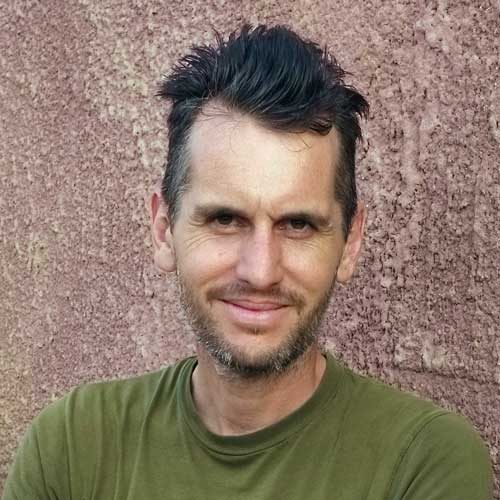
In this session, we’ll explore how to practice mindfulness and meditation in a trauma-sensitive way. We’ll learn experiential mindfulness practices designed to support empowerment, as well as how to recognize trauma and work with it skillfully.
Discover more from the Dharma Library
-

How awareness frees: Vitaka Vicara Viveka
Recorded :
January 21, 2018 Worldwide Insight Founding teacher Martin Aylward returns to lead his first class of the year. Martin looks at how different elements of attention can meet, explore and hold experience, allowing for insight, spaciousness and increasing freeness in the midst of experience.
-
The Sacred No: Setting Conscious Boundaries Alongside Boundlessness
Recorded :
February 15, 2026 To truly embody our Yes to life, we must equally honor our No. Liberating our minds and hearts and taking responsibility for our contribution to collective consciousness requires setting loving boundaries around authentic being. Sometimes, through spiritual bypass; concepts/ideas about mindfulness; or lack of distinction between being nice and being kind, we devalue the sacred…
-
Daily Meditation Recordings, with Nathan Glyde – Week of 27 January, 2025
We’re grateful to have Nathan Glyde guiding our Daily Meditation sessions this week. May these sessions support and deepen your practice.
This week’s theme is: Time For Life
Dharma teachings invite a profound reduction in stress. When stress is present, there is a sense of time pressure, urgency, and haste. Conversely, when there is freedom and ease, our perception of time expands in countless ways. Dharma practice can be viewed as methods to significantly alter our sense of time, welcoming us into a well-paced connection that makes time for life.
Our Dharma Library thrives through collective generosity. Your donation helps sustain this offering for our entire community.
-
The Happiness of a Liberated Heart
Recorded :
June 16, 2019 What is pleasure and what is happiness? Why is my pursuit of happiness not working? Is there any lasting happiness? Together we inquire into the nature of happiness. We reflect on different attempts in our lives to find happiness and what stops us from being contented. Inspired by the Buddha’s own quest for a genuine…
-
Luminous Darkness: A Path for Seeing Clearly from the Heart
Recorded :
October 2, 2022 One of the gifts of global uncertainty is that it requires us to recognize and release unconscious biases that have been passed down for generations. These include the perception that splits into opposites and values light over dark, speed over slowing down, productivity over attunement, and conclusion over not knowing. Awakening requires that we soften…
-
Daily Meditation Recordings, with Ulla Koenig – Week of October 23, 2023
This week’s theme is “Touched by Dukkha”. Living life involves being in touch with various experiences, some of which are challenging. These challenging experiences, referred to as ‘dukkha’ by the Buddha, inevitably stir the heart-mind. Our sensitive nature is touched by dukkha, manifesting in ripple effects like impulses, emotions, and thoughts. This week, we’ll explore together what the Buddha called the second noble truth, to understand how our reactions and responses to dukkha shape our lives.
-
Love and Dust: Opening your Heart Wide to a Dying World
Recorded :
May 12, 2019 With the fragile condition of our eco-system finally breaking through into the mainstream news cycle, we can easily be overwhelmed by the loss of biodiversity and permafrost, the pollution of earth, air and oceans, and the attendant insecurity and danger to life on earth. We might struggle both with the information itself – the amount,…
-
Moving towards connection – the opportunity of working with difficult emotions to deepen relationship
Recorded :
November 5, 2017 Worldwide Insight talk from Jessica Morey: “Moving Towards Connection – The Opportunity of Working with Difficult Emotions to Deepen Relationship”. Guided meditation, Dharma talk and Q&A.