Use code SUMMERPRACTICE for a 25% discount on all On Demand Courses through August 31.

The First Teaching: Radical Medicine for a Painful World

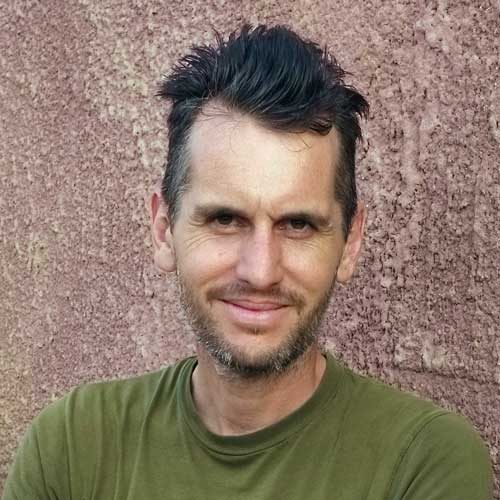
With Sean Oakes recorded on July 19, 2026.

Found our teachings useful? Help us continue our work and support your teachers with a donation. Here’s how.

The July full moon marks Dhamma Day (Āsāḷha Pūjā), the anniversary of the Buddha’s very first teaching, given to five friends in a deer park 2,614 years ago. This one ancient talk is said to contain the entire path. And it still asks something extraordinary of us: a complete reorientation of how we live. We’ll listen for the fierce compassion at the heart of that original message-and explore how to actually take the medicine, right now, in the middle of everything.

“Whatever is subject to origination is all subject to cessation.”
– Venerable Kondañña, upon hearing the first teaching (SN 56.11)

“It’s not a middle way that is a compromise where you can cut out the hard bits and split the difference so you feel good about it.”
– Ajahn Pasanno

This talk will reference Saṃyutta Nikāya 56.11, “Setting in Motion the Wheel of the Dhamma”. Listen and read along to Sean reading the discourse here.


Listen to the audio version below, or click here to download the mp3.

Discussion

Leave a Reply

Discover more from the Dharma Library

  • George Haas

    Attachment Inquiry and Classical Enlightenment

    Energizing your householder’s meditation practice often requires some immediate benefit be available to you, even if the long goal is enlightenment. Developing a dynamic social network to support your practice is vital to keep on practicing. Finding a meaningful way to be in the world helps create the time, energy and resources necessary to devote…

    Read More

  • Muditā: Appreciative Joy

    Of the four traditional heart qualities in Buddhism, appreciative joy – muditā – gets less attention than lovingkindness (mettā), compassion (karuṇā), or equanimity (upekkhā). But the cultivation of sincere joy at the success of another greatly enriches our well-being and happiness. We will explore this powerful form of joy together, as well as what blocks…

    Read More

  • A Relational Dhamma

    If humans are intrinsically relational creatures, how do we integrate this understanding with the Buddha’s teachings on suffering and its cessation? Relational suffering and craving? Dependent origination? In this session, we explore the power and necessity of a relational understanding of the Buddha’s teachings. We discuss and practice relational aspects of the path, including the…

    Read More

  • Nathan Glyde

    Daily Meditation Recordings, with Nathan Glyde – Week of Feb 21, 2022

    This week’s topic is: Deeply Rooted, Fully Alive. This week we will explore the profound, yet accessible teachings of equipoise and equanimity. One of the best images for this sensitive balancing relationship with all things is a deeply rooted and flexible tree in a windy storm. The tree, equipoised, does not resist the wind, bending and yielding to its force. Yet, well nourished from the root, it returns to noble uprightness as soon as the pressure passes.

    Read More

  • 2026: Where to Now? Dharma Practice in Times of Crisis

    As we enter a year marked by global uncertainty, collective grief, and profound transition, many wonder: How do we practice now? We’ll explore how Dharma can serve as a living refuge, not as withdrawal from the world, but as a steady ground for clarity, compassion, and ethical response. And how response to suffering, our own…

    Read More

  • The freeing of human consciousness: from seeing the world ‘out there’, separate and alien, to directly knowing, feeling, and living the intimacy of all things

    The Shurangama Sutra, which points out the foundations of Zen practice, discusses the essential nature of mind as the “primal essence of consciousness that brings forth all conditions.” Implied is the heart-mind (citta) both profoundly intimate with all things while at the same time free and independent of all things. How is it to live…

    Read More

  • Jill Satterfield

    Of Two Minds: The Mind of the Body, the Mind of the Mind

    Awareness opens doors to discovery – the Buddha emphasized it, and science is proving it. We have two minds that work together, yet the body knows before the mind cognizes. The Buddha’s teaching of Nāmarūpa – mind and body as two forms of consciousness – honors the body’s deep wisdom. How the mind elaborates on…

    Read More